Power Washing Services vs Softwashing: What to Choose This Spring
As spring arrives in Windsor-Essex, many homeowners start thinking about exterior cleaning. After months of winter buildup, it’s the perfect time to restore your home’s appearance.
But every year, one question comes up often: Should you choose power washing or softwashing?
At first glance, you might think they look like the same thing. Both use water, both clean surfaces, and both promise results. But in reality, they’re very different approaches. So different in fact that choosing the right one can make a big difference in both appearance and long-term protection.
Understanding the Key Difference
The simplest way to look at it is this: power washing relies on force, while softwashing relies on treatment.
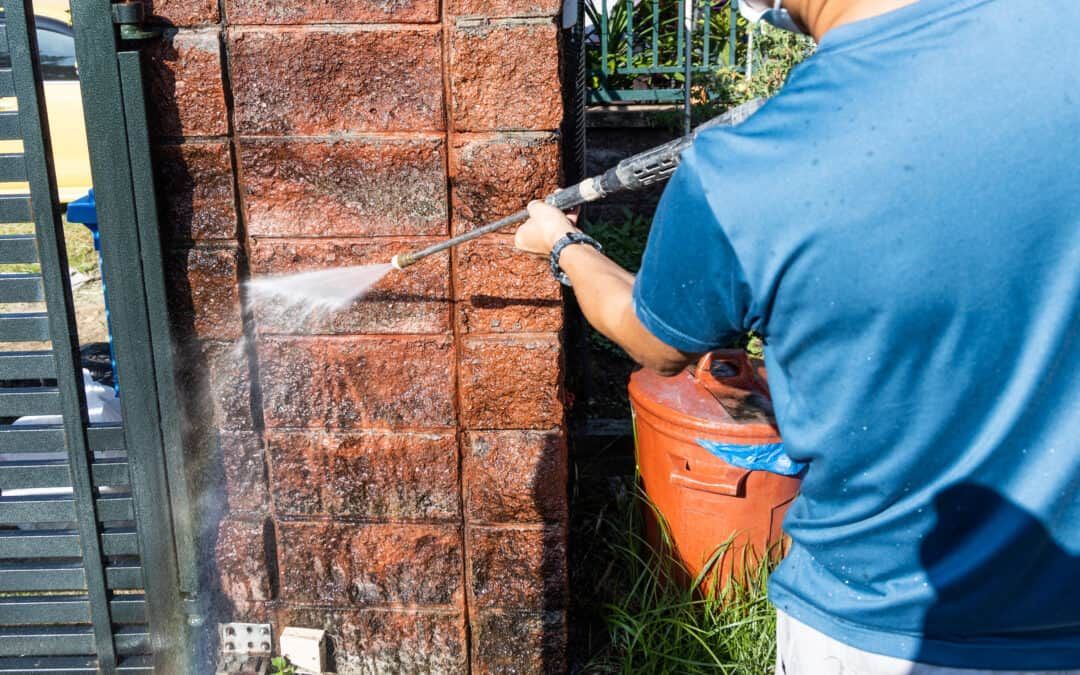
Power washing uses high-pressure water to blast away dirt and debris from surfaces. It’s effective for certain materials, especially hard, durable ones like concrete or stone.
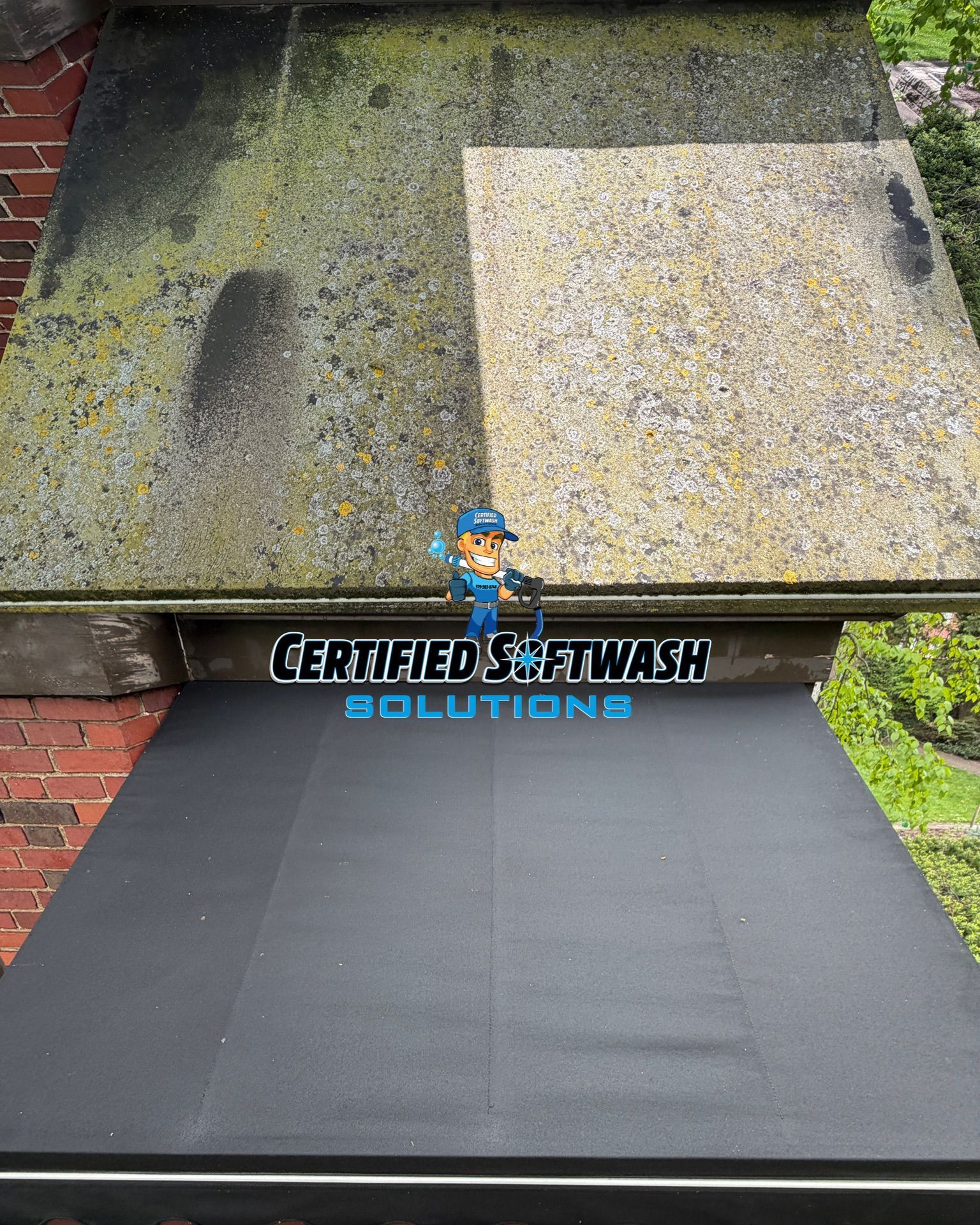
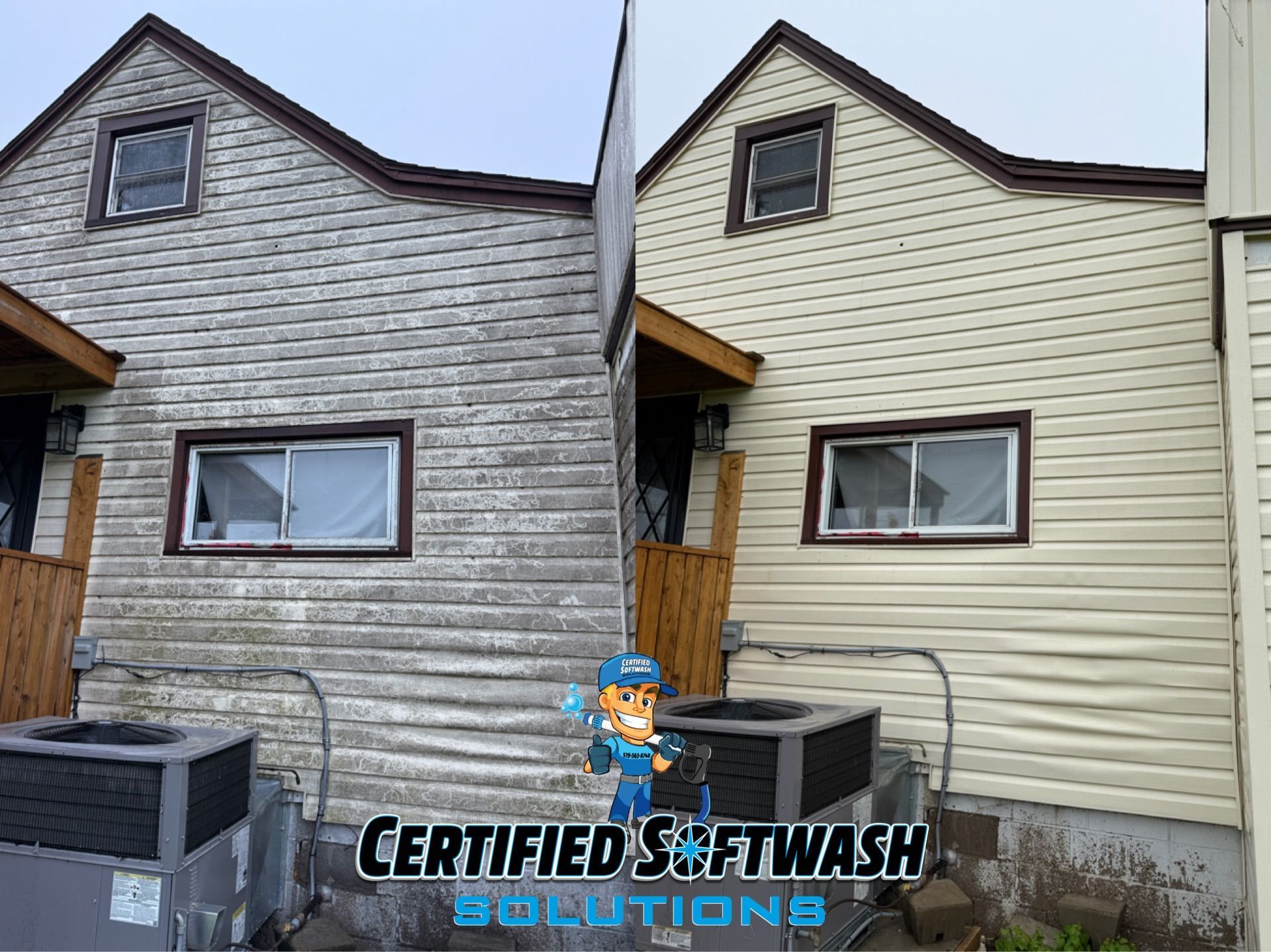
Softwashing, on the other hand, uses low pressure combined with specialized cleaning solutions to break down organic growth like algae, mold, and mildew. Instead of forcing buildup off the surface, it eliminates it at the source.
That difference in approach is what makes each method better suited for specific applications.
Where Power Washing Makes Sense
There are some situations where traditional power washing services can be the right choice, but they are few and far between.
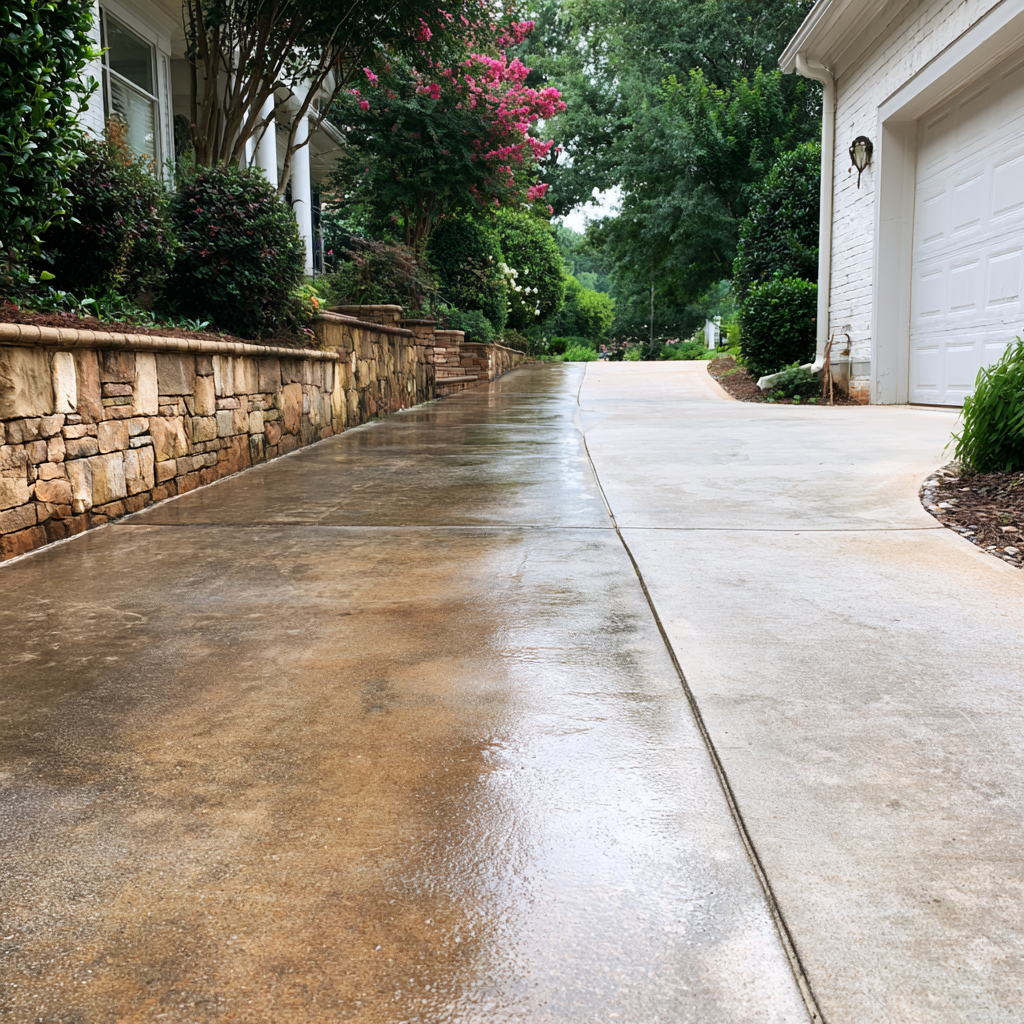
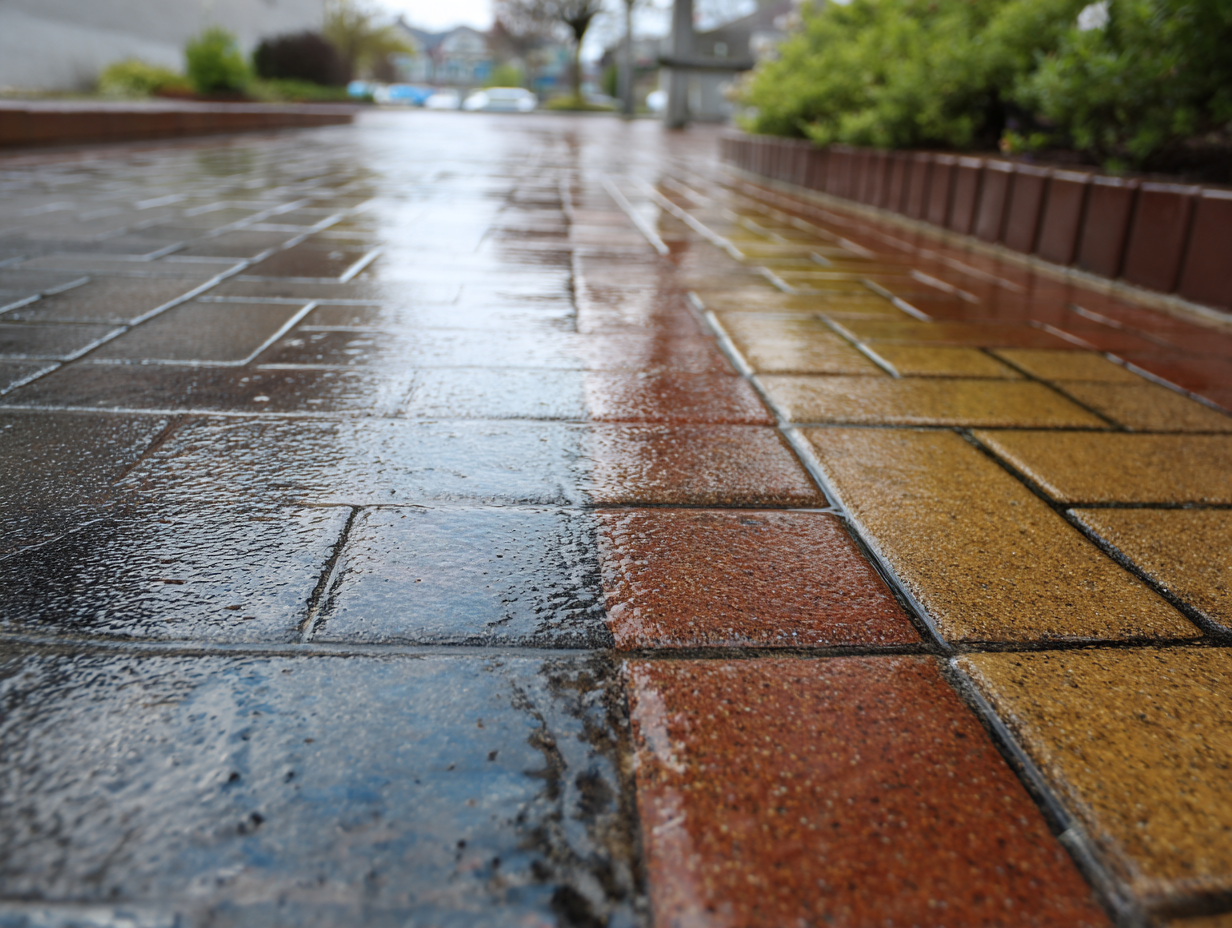
For example, concrete driveways and walkways are one of the few surfaces that can benefit from power washing. These surfaces tend to collect heavy dirt, salt residue, and staining over the winter, and a higher-pressure clean can help restore their appearance quickly. The key is knowing when that level of pressure is appropriate and when it’s not.
Why Softwashing Is Often the Better Choice
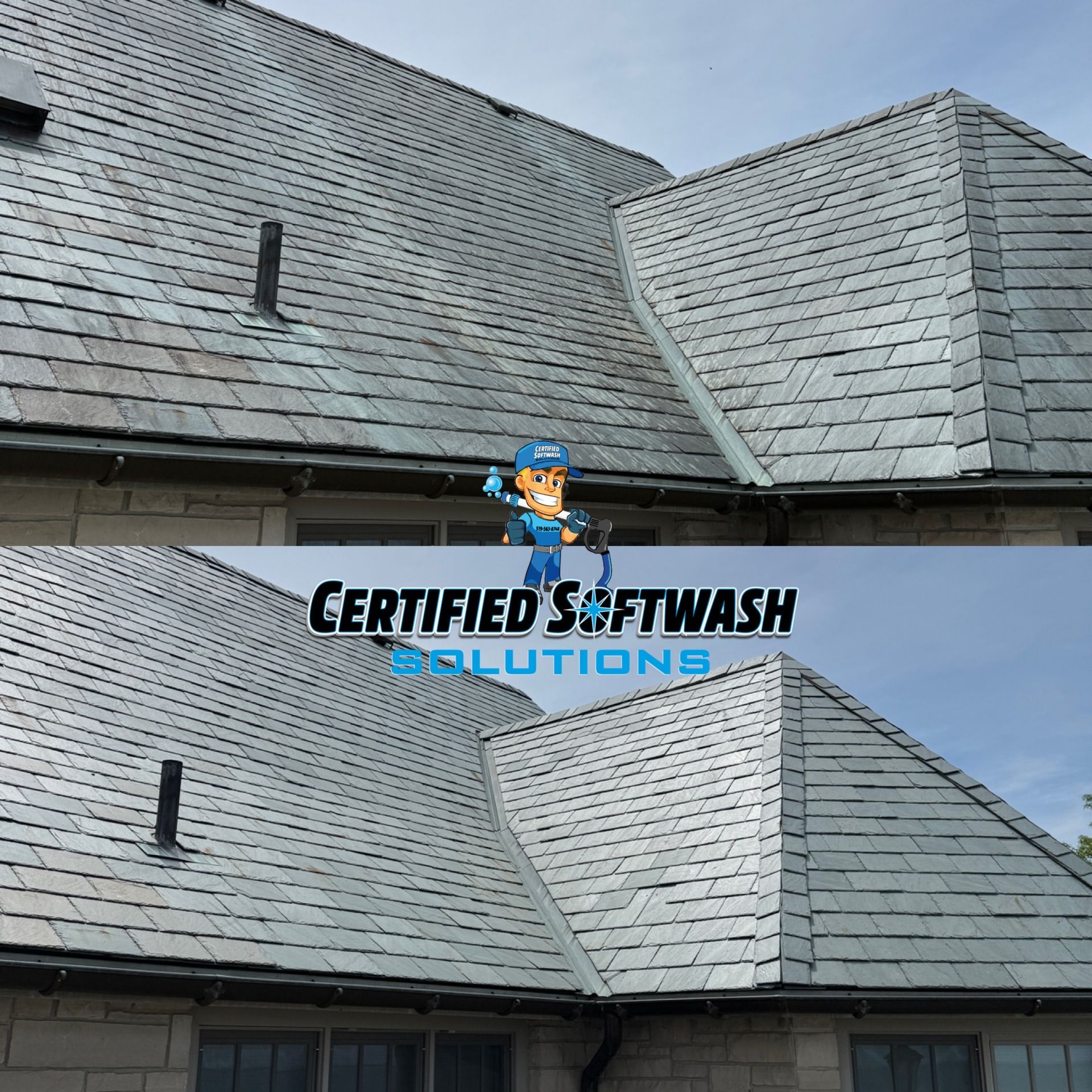
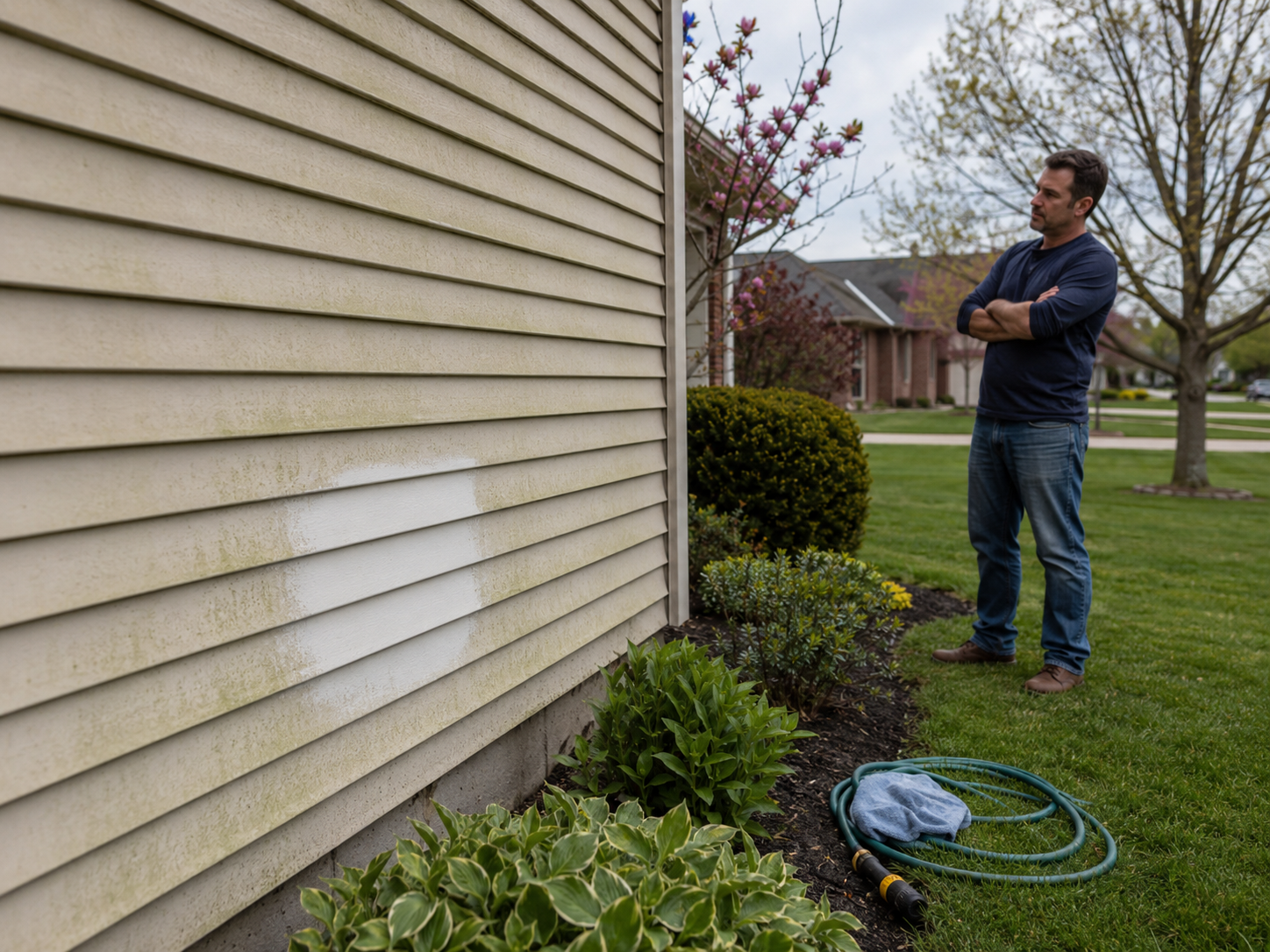
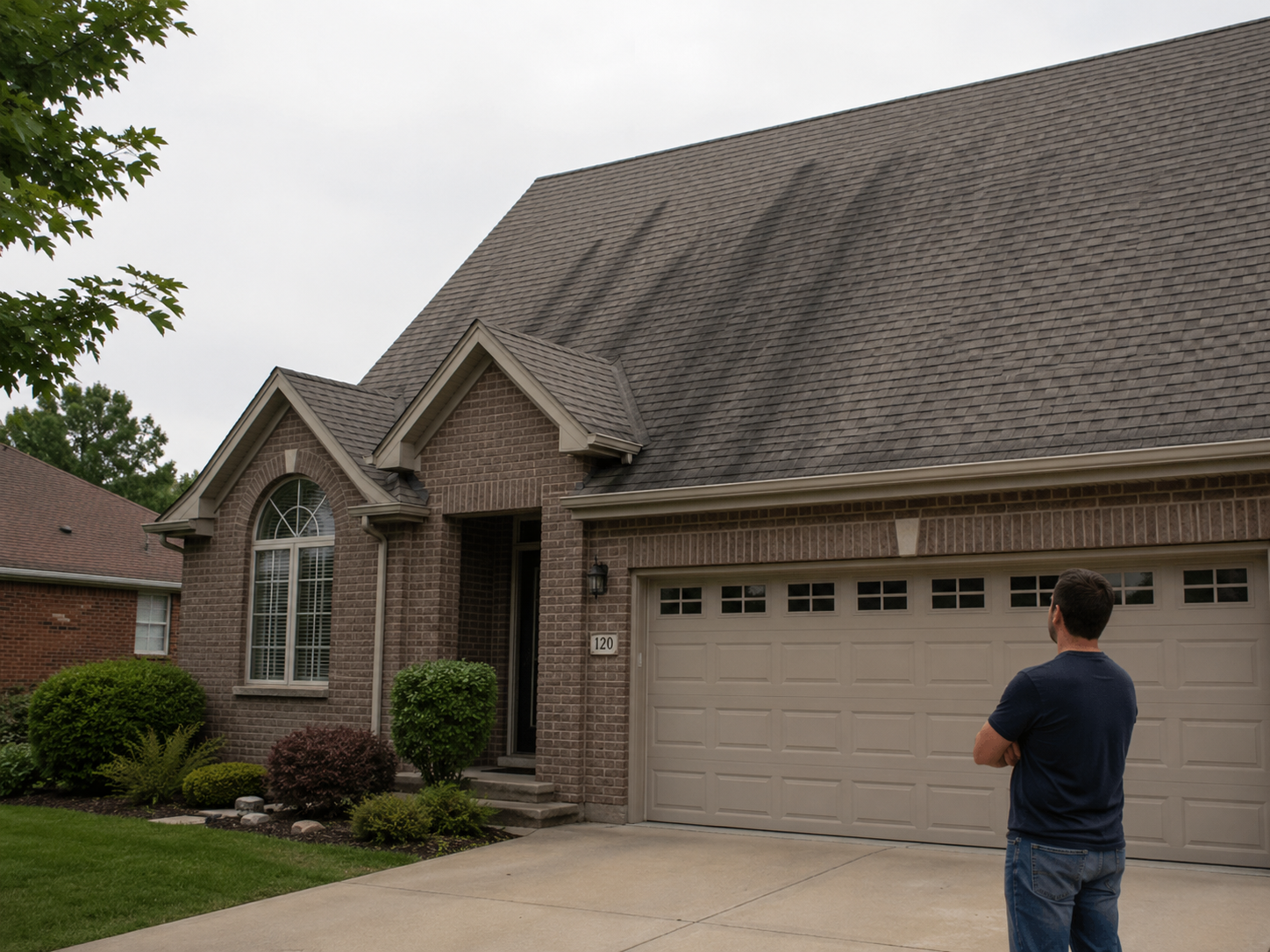
For most residential surfaces, especially around your home, softwashing is the safer and more effective option. Siding, roofing, stucco, wood, and painted surfaces are all vulnerable to damage when exposed to high pressure. Beyond that, many of the stains you see on a home (like black streaks on roofs or green buildup on siding) aren’t just dirt. They’re living organisms.
Softwashing targets those organisms directly, breaking them down and preventing them from returning as quickly.
This means:
- A deeper, longer-lasting clean
- No risk of surface damage
- Better results on organic staining
For homeowners dealing with post-winter moisture and buildup, this approach is especially effective.
The Risk of Choosing the Wrong Method
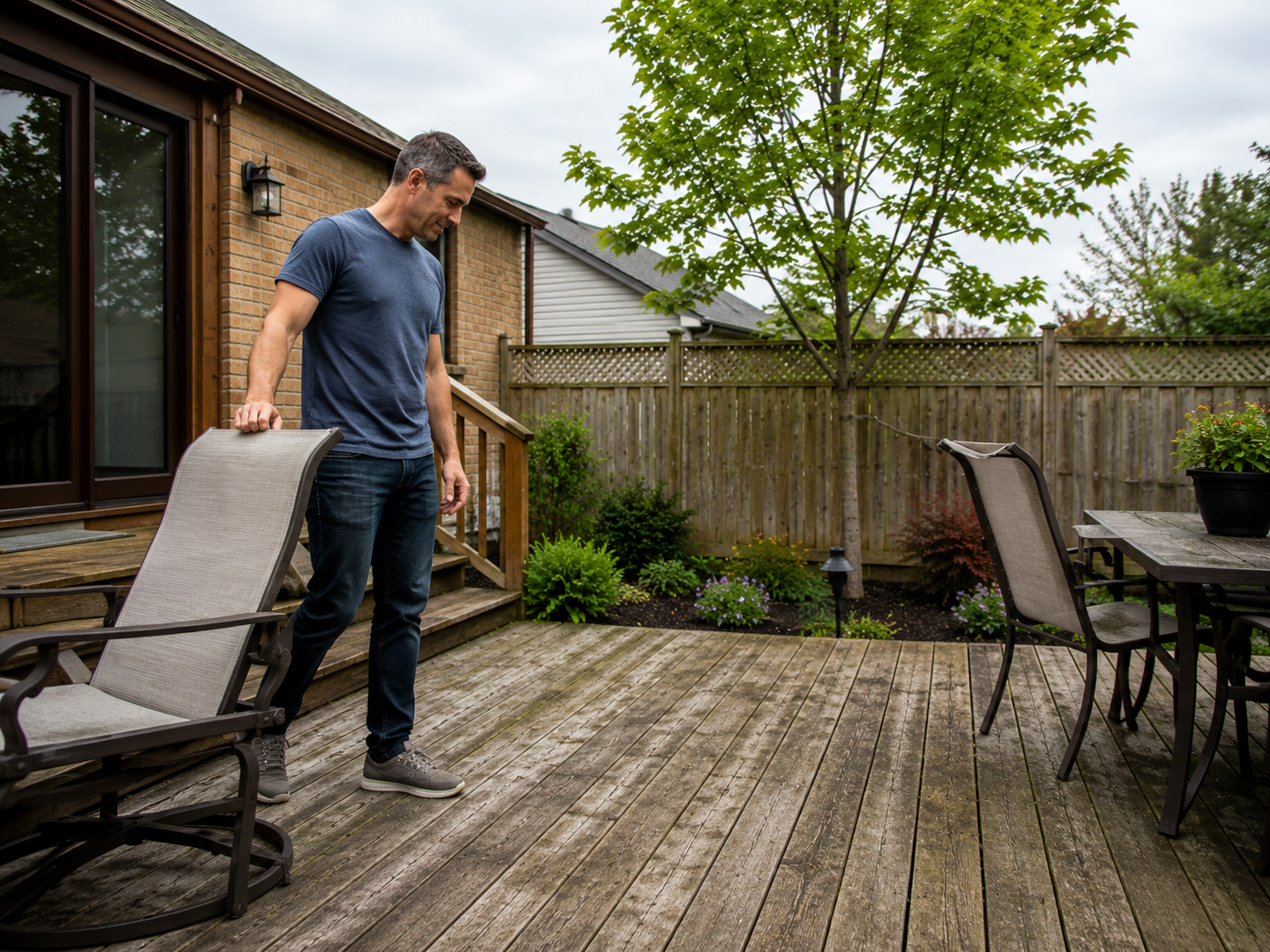
One of the most common issues we see at Certified Softwash is damage caused by using too much pressure in the wrong places. Shingles can lose their protective granules. Siding can crack or warp. Wood can splinter or become uneven. The worst part? Sometimes the problems don't show immediately, instead building overtime and leading to thousands of dollars in costly repairs. One of our latest guides helps homeowners better identify which surfaces can be pressure washed and which should not.
What makes this tricky is that the damage often happens during what looks like a “successful” cleaning. The surface looks clean, but the material has been weakened. A hidden threat that you don't notice until it's too late.
What This Means for Your Home This Spring
If you’re preparing your home for spring, the best approach is to simply match the cleaning method to the surface. Concrete and heavily soiled hardscapes may benefit from higher pressure when done properly.
But for the majority of your home’s exterior:
- Roof
- Siding
- Stucco
- And more
Softwashing is your unsung hero to save the day. This is where working with experienced soft washing services makes a difference. Instead of a one-size-fits-all approach, each area of your home is treated with the method that delivers the best result without unnecessary risk.
A Smarter Approach to Exterior Cleaning
Exterior cleaning is absolutely about increasing your homes curb appeal, but it’s also about maintaining it with the long-term in mind. By choosing the right method, you’re not only giving yourself a beautiful home to live in, but likely saving your wallet down the line. For most homeowners, spring is the ideal time to take care of this. The sooner buildup is removed, the less chance it has to cause long-term issues as the season progresses and warm weather approaches.
Final Thoughts
Both power washing and softwashing have their place, that's undeniable. But they are NOT interchangeable.
If you’re dealing with durable surfaces like concrete, power washing can be effective. But when it comes to your home’s exterior, especially areas affected by algae, mold, and moisture, softwashing is the clear choice. It’s safer, more thorough, and designed to protect your home while delivering lasting results.
Interested in learning more? Click Here!