Roof Cleaning 101: Why Softwashing Is the Only Safe Option
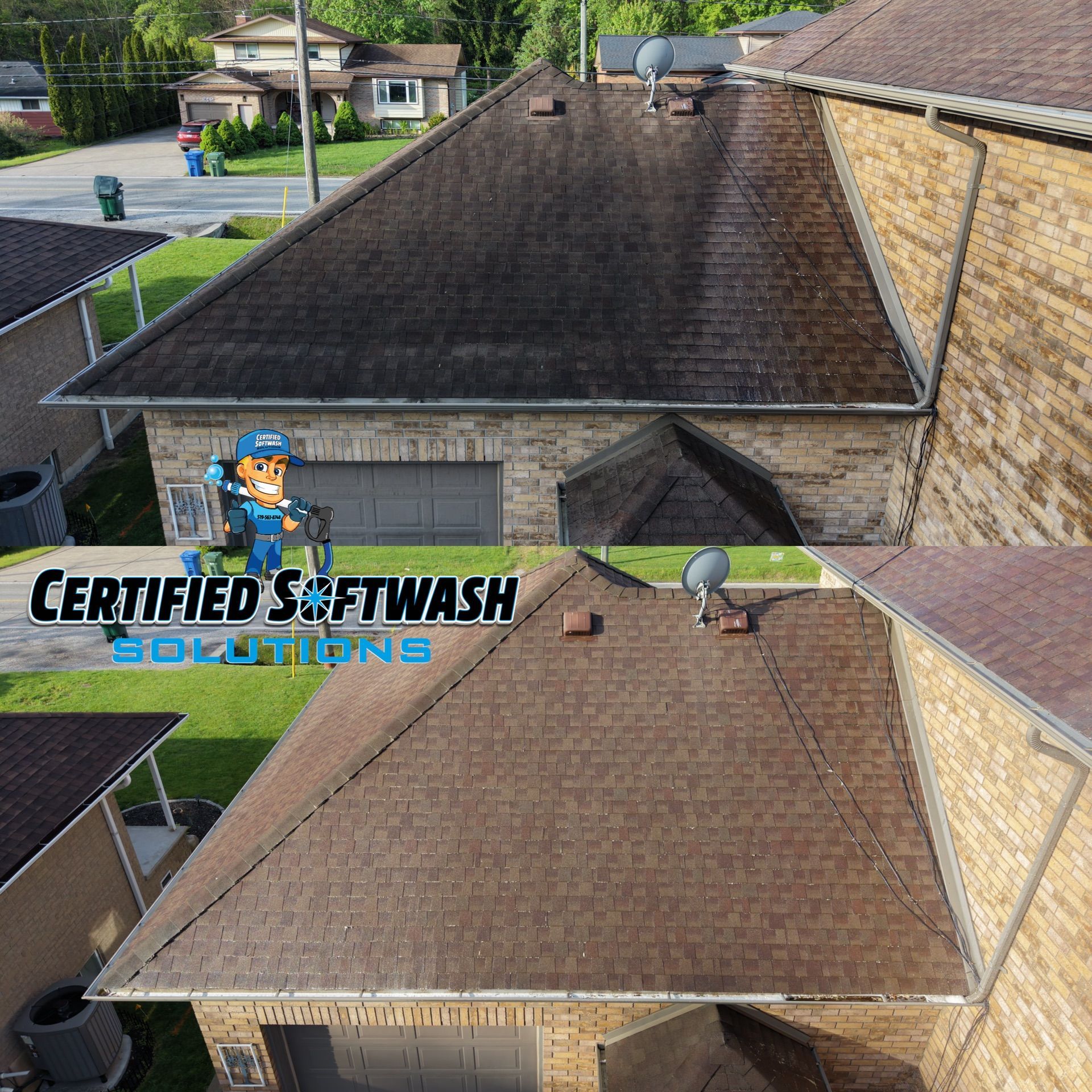
Black streaks on a roof are easy to ignore. From the ground, they may look like dirt, weather staining, or a cosmetic issue that can wait until later. In many cases, however, those dark marks are caused by algae and other organic growth settling into the shingles.
In Windsor and Essex County, roofs deal with humidity, shade, rain, snow, leaves, and changing temperatures throughout the year. Over time, those conditions can allow algae, moss, lichen, and debris to collect across the surface.
Professional roof cleaning Windsor homeowners can trust should do more than improve curb appeal. It should remove organic growth without damaging the shingles or shortening the life of the roof.
What Are Those Black Streaks?
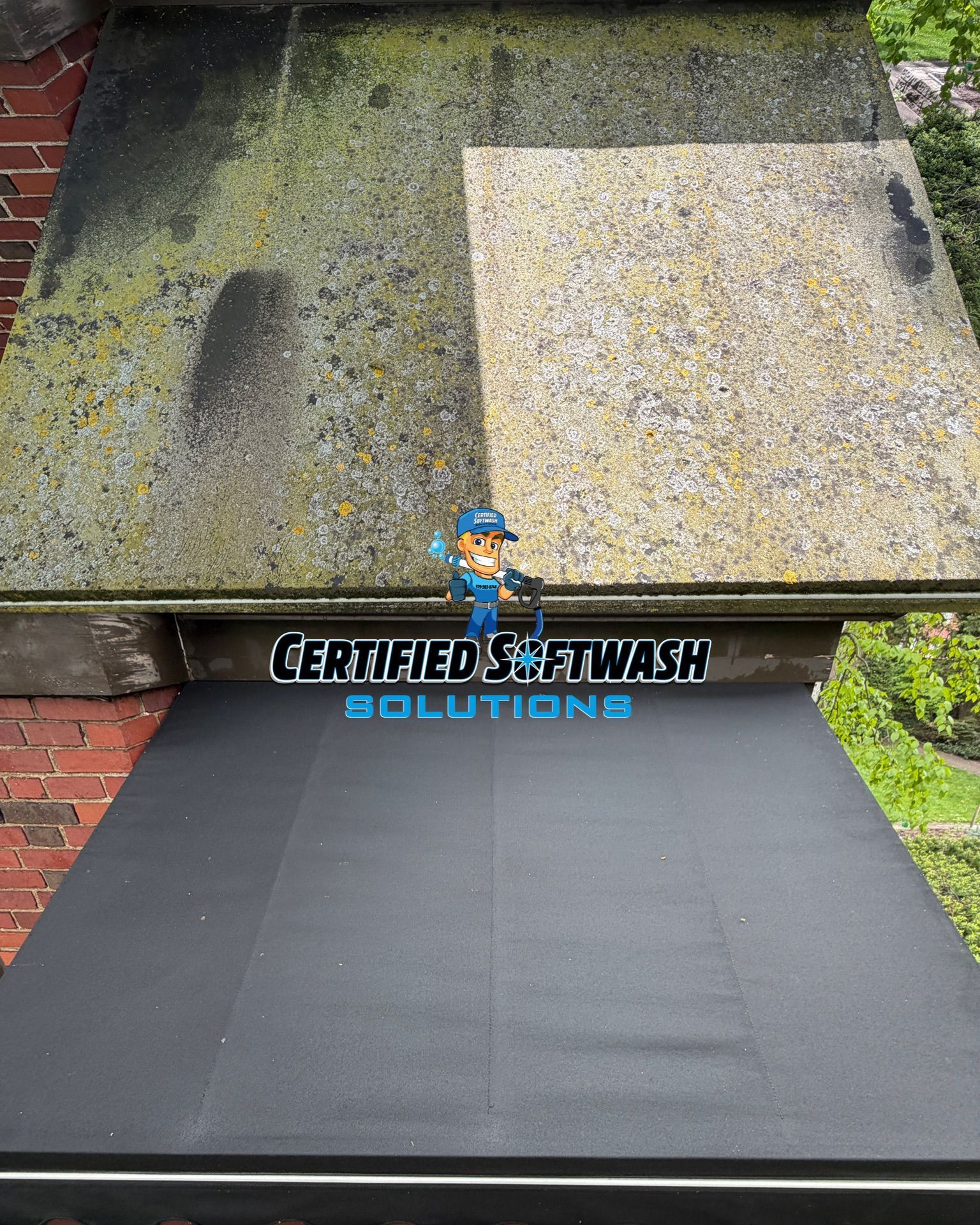
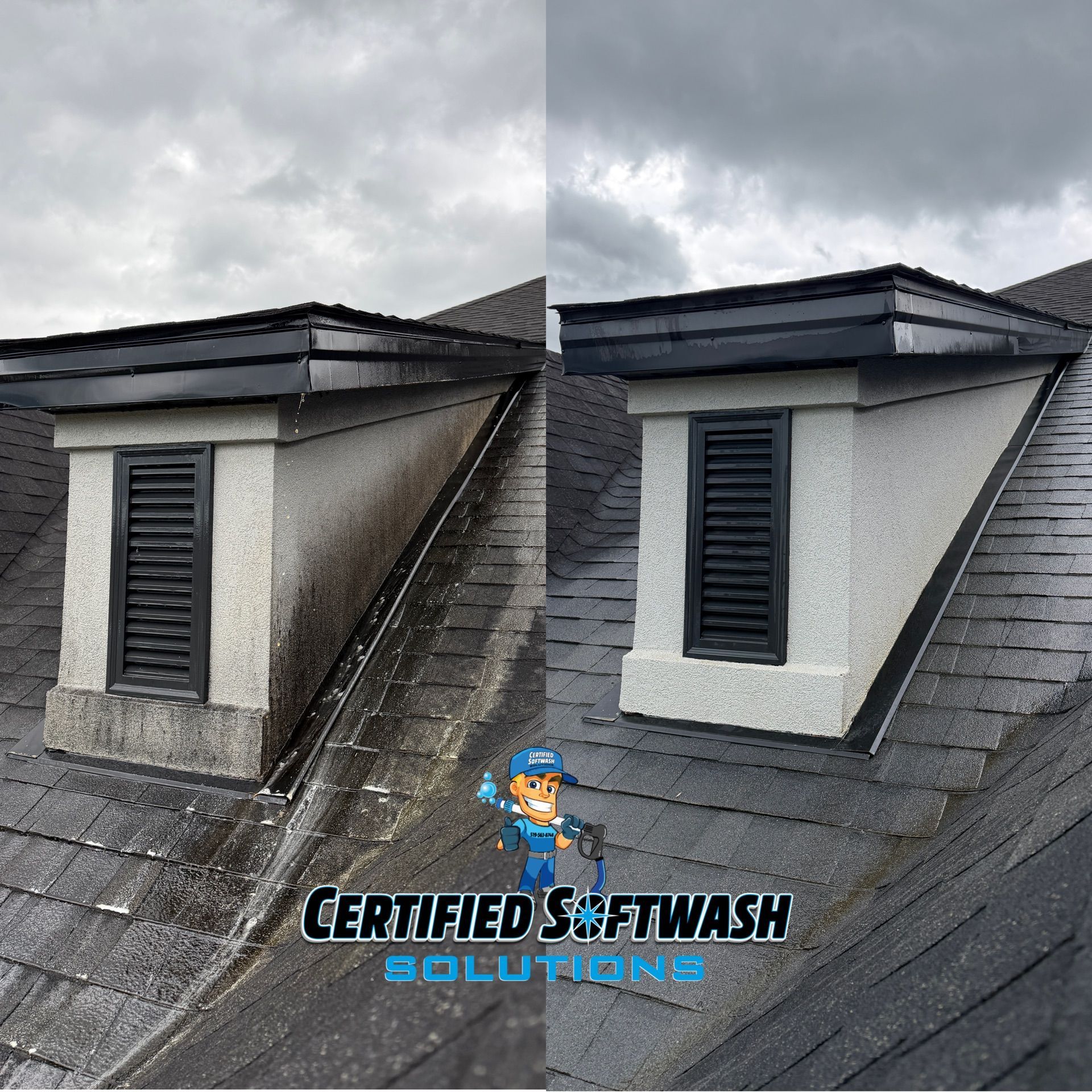
The dark streaks commonly seen on asphalt roofs are often linked to a type of blue-green algae that thrives in damp, shaded conditions. It can spread gradually across the roof, especially on north-facing slopes or areas shaded by trees.
A roof may also develop:
- Green moss along shingle edges
- Pale or crusty lichen spots
- Dark patches beneath overhanging branches
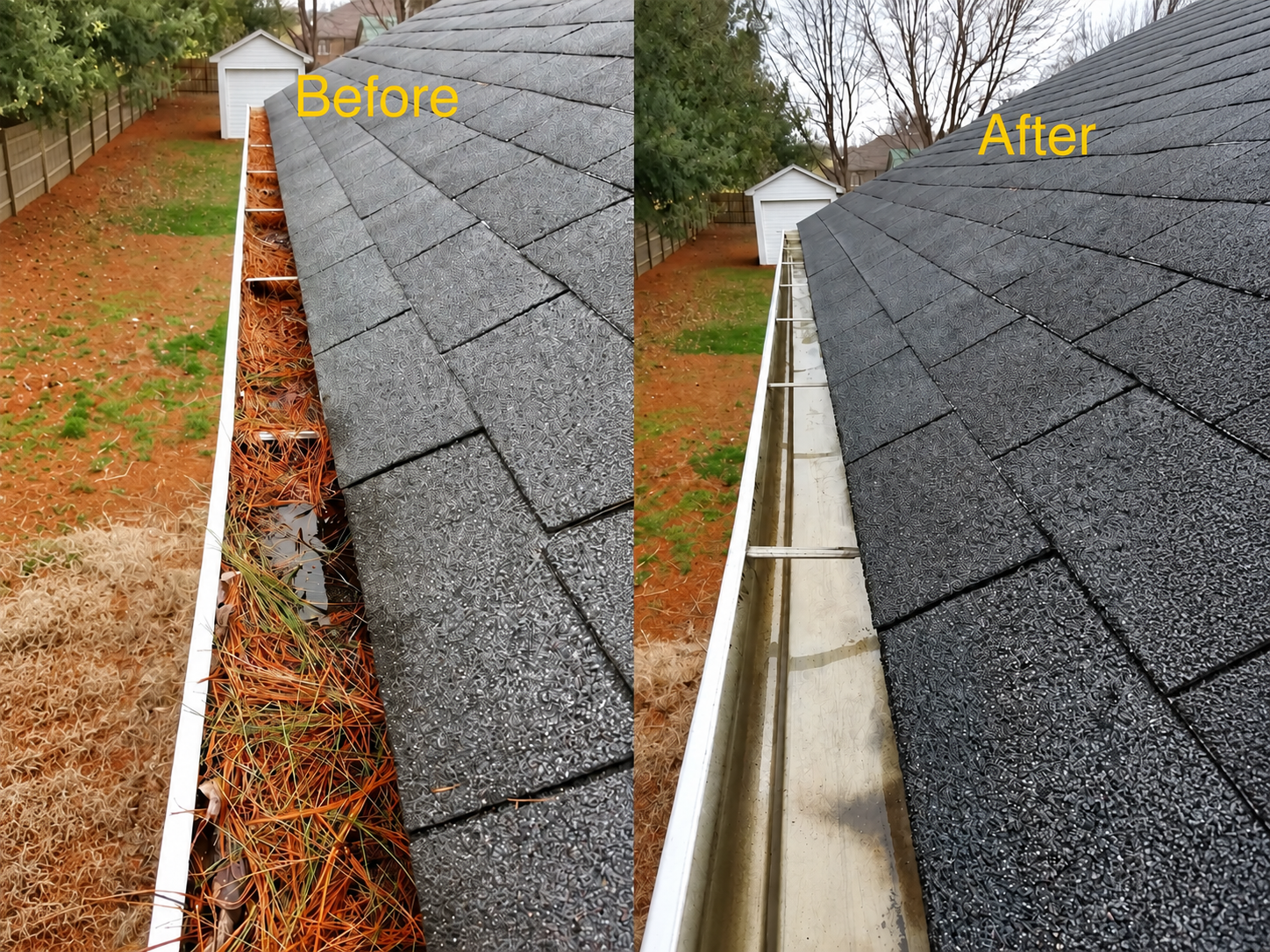
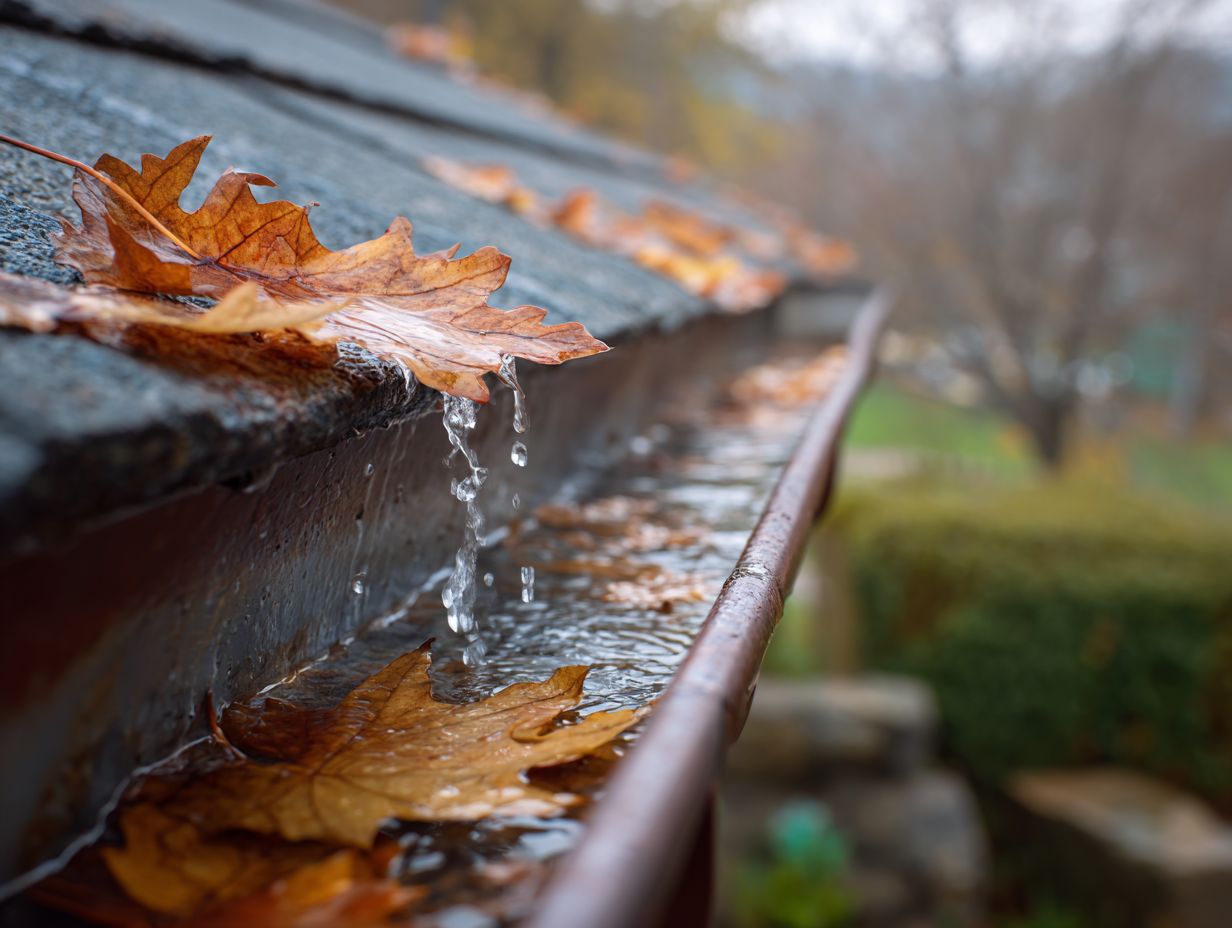
- Leaf and debris buildup near valleys or gutters
- Uneven staining across shaded sections
These issues do not always mean the roof needs replacement. In many cases, the shingles are still structurally sound but need to be cleaned using the correct method.
Why Pressure Washing a Roof Is a Bad Idea
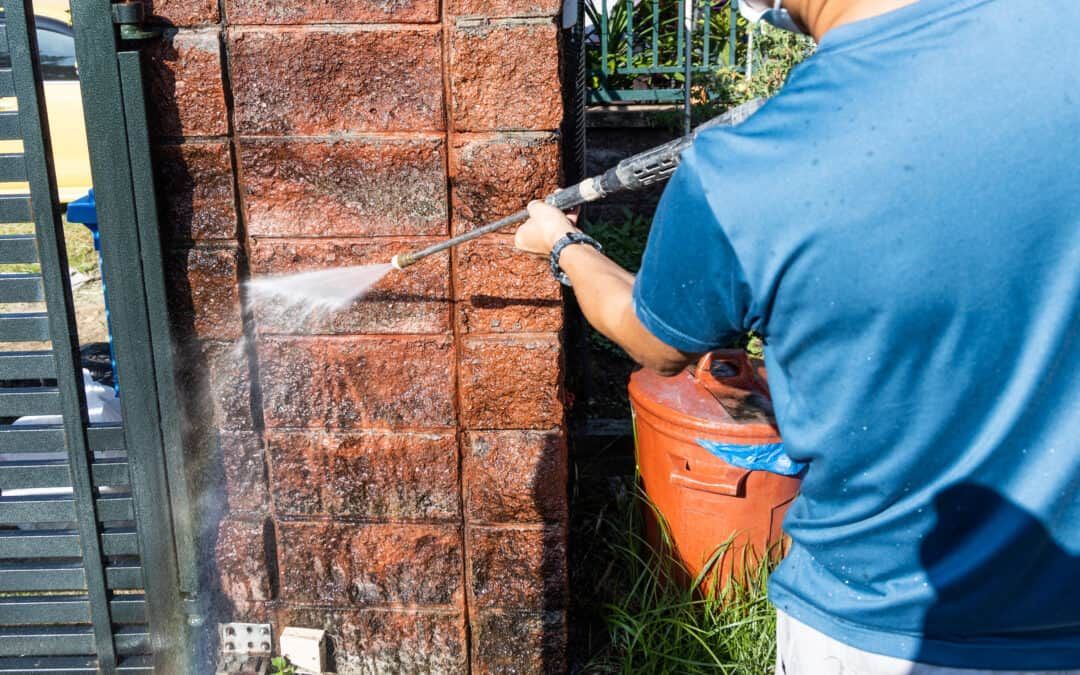
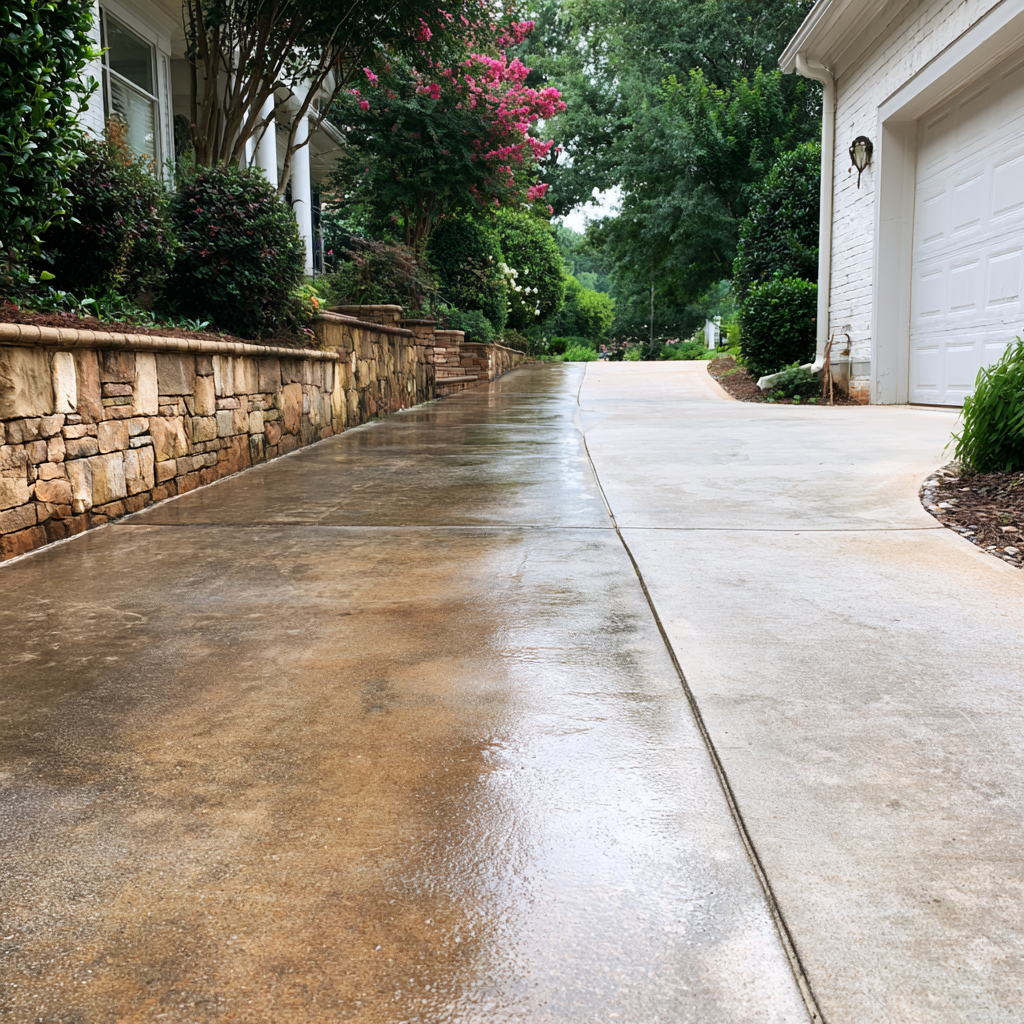
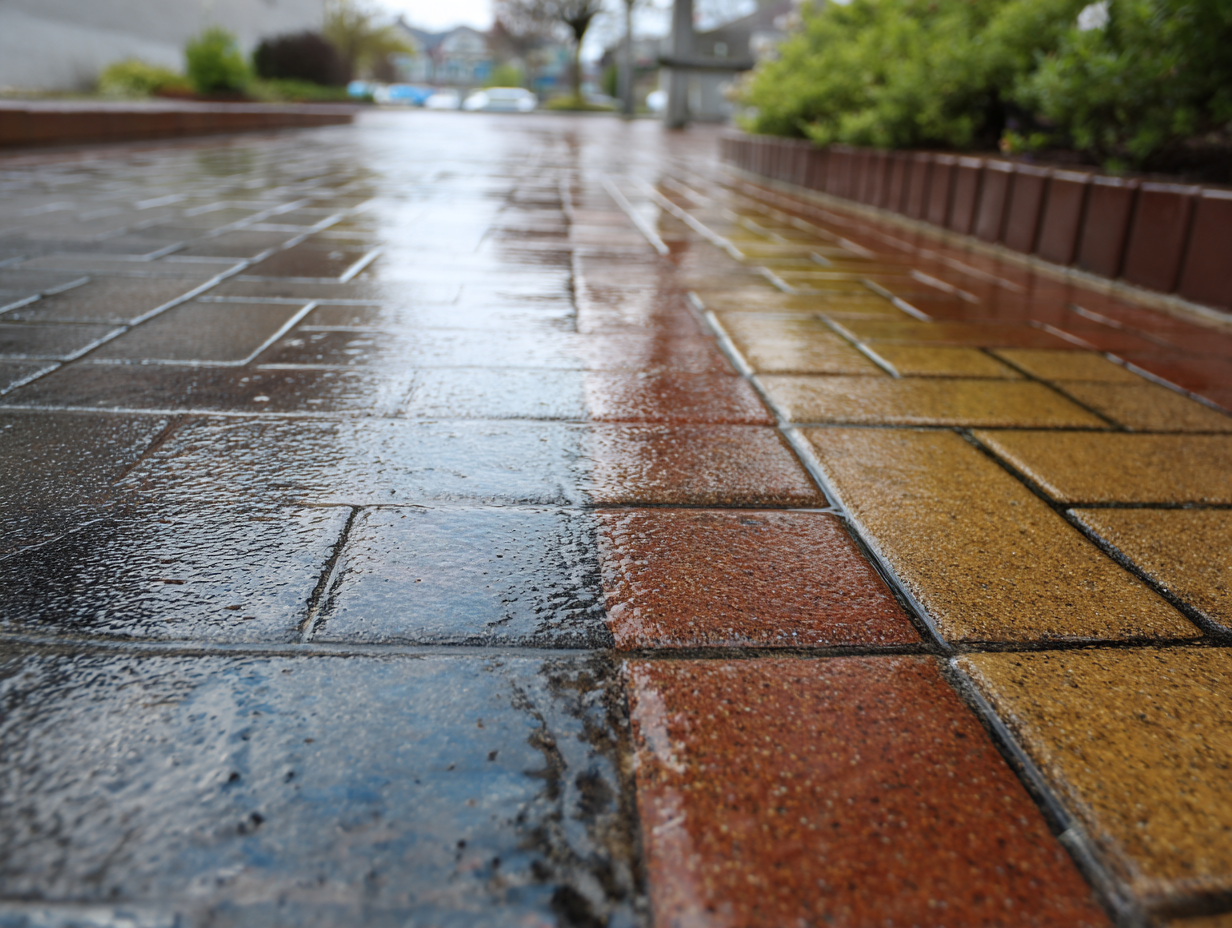
A pressure washer can be useful on durable surfaces such as certain concrete driveways or walkways. But pressure washing isn't always the answer and roof shingles are proof of it. Asphalt shingles contain protective granules that help shield the roof from sunlight, weather, and everyday exposure. High-pressure water can loosen or strip those granules away. It may also lift shingles, damage edges, force water beneath the roofing system, or affect seals around vents and flashing.
The danger is that the damage may not be immediately visible. A roof can look cleaner after aggressive washing while becoming more vulnerable underneath. That is why reputable roof cleaning companies do not treat a roof like a driveway.
How Softwashing Cleans a Roof Safely
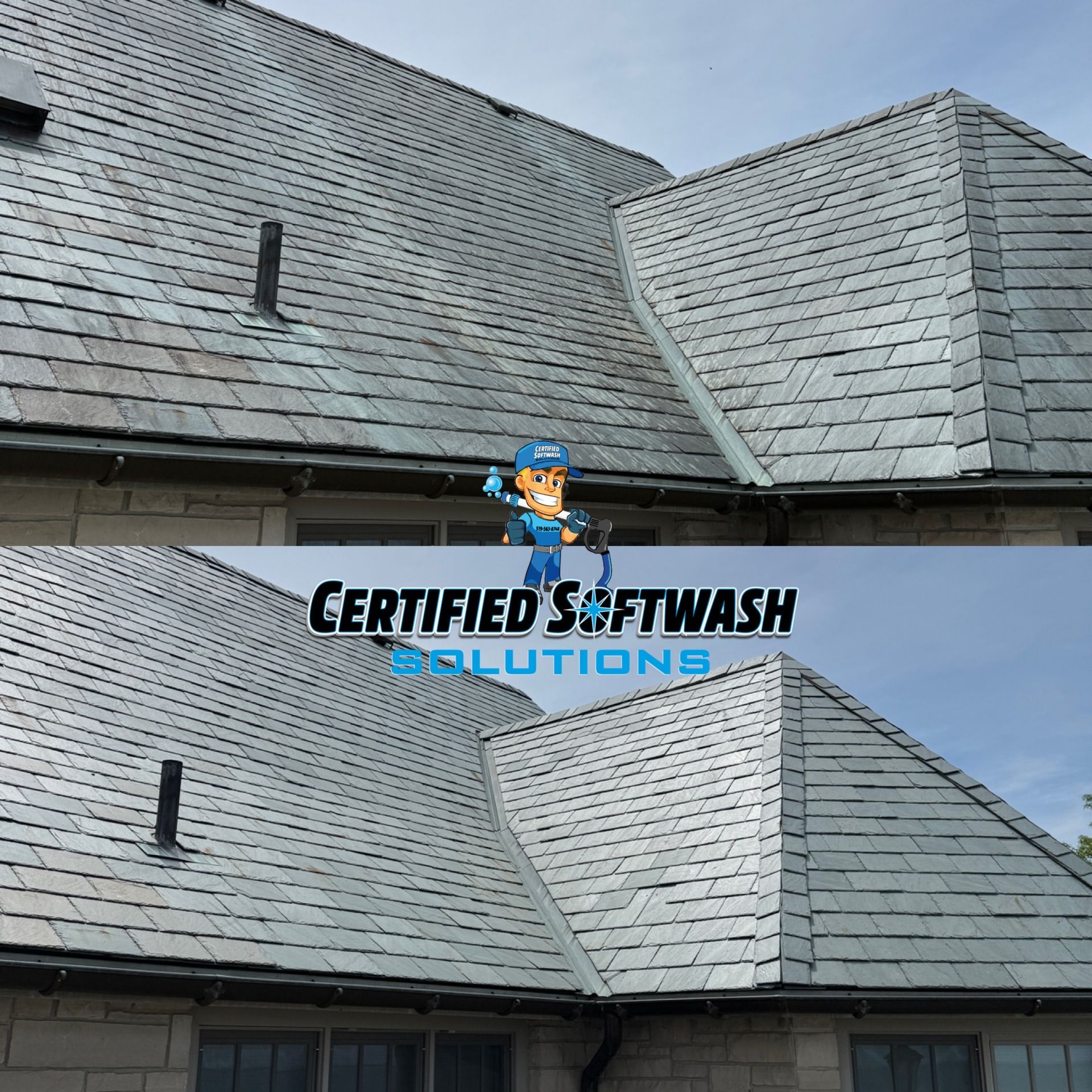
Softwash roof cleaning uses low-pressure application and specialized cleaning solutions to treat algae, moss, lichen, and other organic contaminants.
Instead of relying on force, the cleaning solution works on the source of the staining. This allows the roof to be cleaned without blasting the shingles or removing the protective granules.
The process generally involves:
- Inspecting the roof and surrounding property
- Identifying the type and severity of buildup
- Protecting landscaping and nearby surfaces
- Applying the cleaning solution at low pressure
- Allowing the treatment to break down organic growth
- Completing a controlled rinse or allowing natural weathering to finish the process, depending on the situation
Some moss or lichen may not disappear instantly. Once treated, heavier growth can gradually release from the shingles over time rather than being forcefully scraped or washed away.
Cleaning the Roof Is About More Than Appearance
A stained roof can make an otherwise well-maintained home look older. Cleaning it can noticeably improve the appearance of the entire property, but curb appeal is only one benefit.
Organic growth can hold moisture against the roof surface. Moss may begin to grow between or beneath shingle edges. Leaves and debris can slow drainage in roof valleys or contribute to gutter problems. The goal is not to create fear around every dark mark. It is to prevent manageable buildup from becoming more difficult to address later.
Homeowners looking to roof moss removal near me should focus on safe treatment rather than the fastest-looking result. A careful process protects the roof while helping restore a cleaner, more uniform appearance.
When Should You Consider Roof Cleaning?
There is no single schedule that fits every home. Some roofs remain clean for years, while others develop staining more quickly because of tree cover, roof orientation, nearby moisture, or limited sunlight.
The signs are (thankfully) easy to spot. Those visible black streaks, moss along the edges of your shingles and even debris regularly collecting beneath nearby trees are all signs a roof cleaning service may be in order. An inspection can help determine whether professional cleaning is appropriate or whether the roof should first be examined by a roofing contractor for unrelated repairs.
Can Roof Cleaning Replace Roof Repairs?
No. Cleaning and repair serve different purposes.
Softwashing can remove organic growth and improve the roof’s appearance, but it cannot repair missing shingles, active leaks, damaged flashing, sagging sections, or structural deterioration. A responsible exterior cleaning company should recognize when a roof may need additional evaluation before cleaning begins. This protects the homeowner and ensures the service is appropriate for the roof’s condition.
Protect the Roof You Already Have
A roof is one of the largest investments in a home, which is why the cleaning method matters so much. Using excessive pressure may create a quick visual change, but it can also cause unnecessary wear to a surface designed to protect the property for many years.
Softwashing provides a safer way to treat black streaks, algae, moss, and organic buildup while respecting the materials underneath.
If you have noticed dark streaks or organic growth on your roof, contact Certified Softwash Solutions to request a free estimate and learn whether softwashing is the right solution for your home.