What Surfaces Should (and Should NOT) Be Pressure Washed?
Sound concrete driveways and some other durable exterior surfaces may be suitable for controlled pressure washing. Asphalt roof shingles should not be pressure washed, while siding, decks, masonry and coated surfaces require a cleaning method matched to their material, condition and manufacturer’s instructions.
For homeowners in Windsor and Essex County, the important question is more than whether a surface can withstand a pressure washer. It is whether the proposed cleaning method will remove the buildup without damaging the surface or forcing water into vulnerable areas.
When Pressure Washing Can Be Appropriate
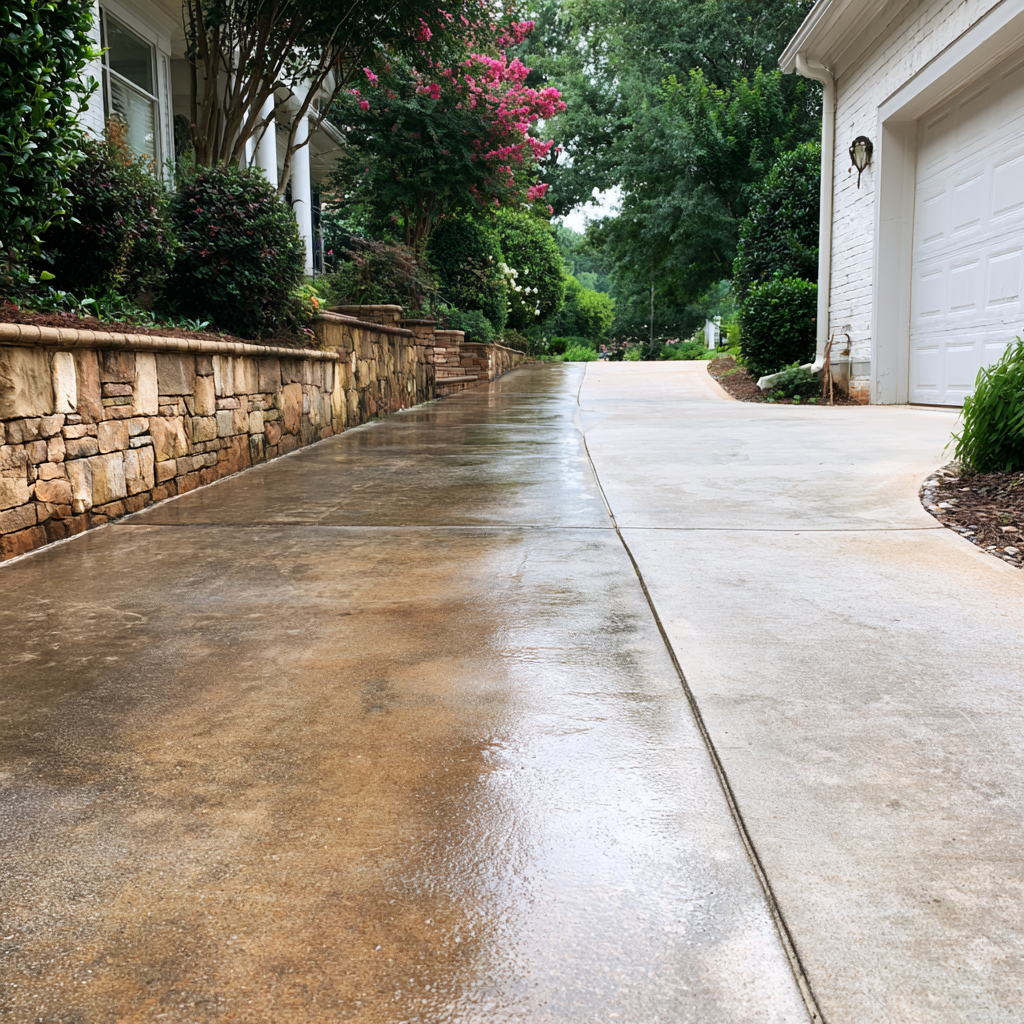
Concrete driveways, sidewalks and patio pads can accumulate dirt, tire marks and other surface buildup. On sound concrete, controlled pressure cleaning can improve appearance and remove accumulated grime.
However, concrete is not one uniform category. A plain driveway, a decorative patio and a surface with a protective coating may need different treatment. Flaking, damaged areas and recently installed concrete also require assessment before cleaning. Stain type matters too. Oil, rust and other embedded discoloration may require a suitable cleaning product rather than stronger pressure. Some marks may remain even after cleaning.
Surfaces That Need a Gentler or More Specific Approach
Asphalt Roof Shingles
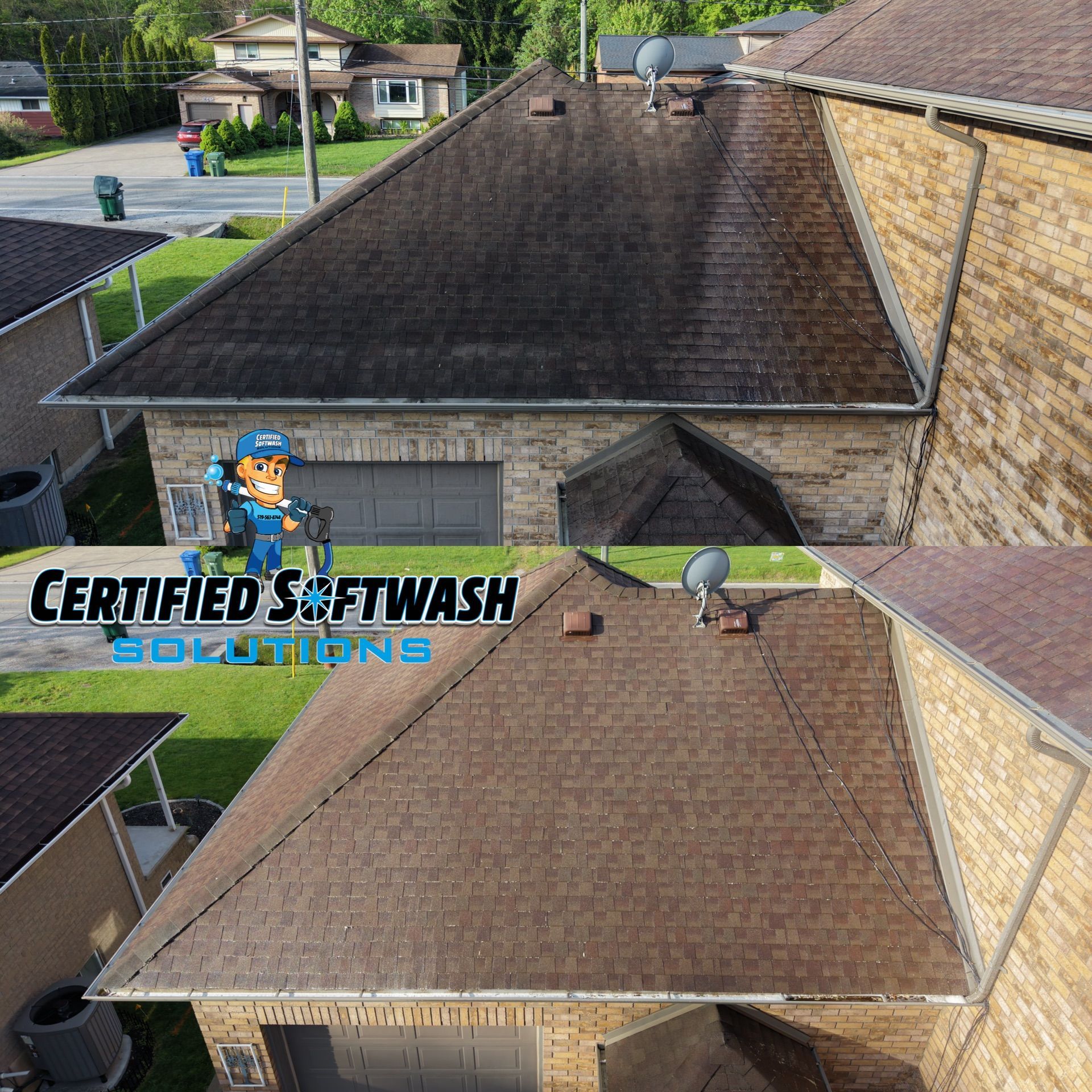
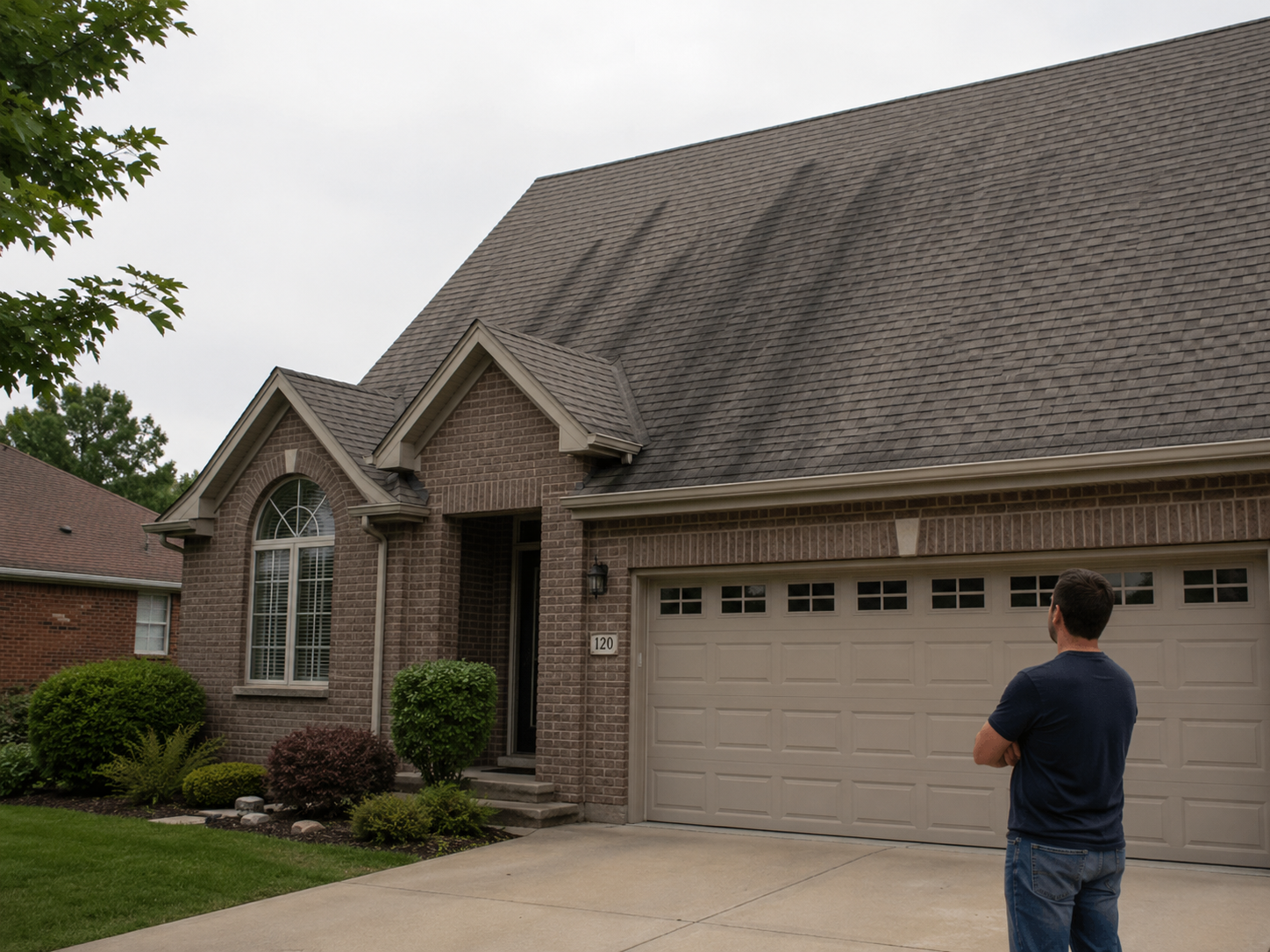
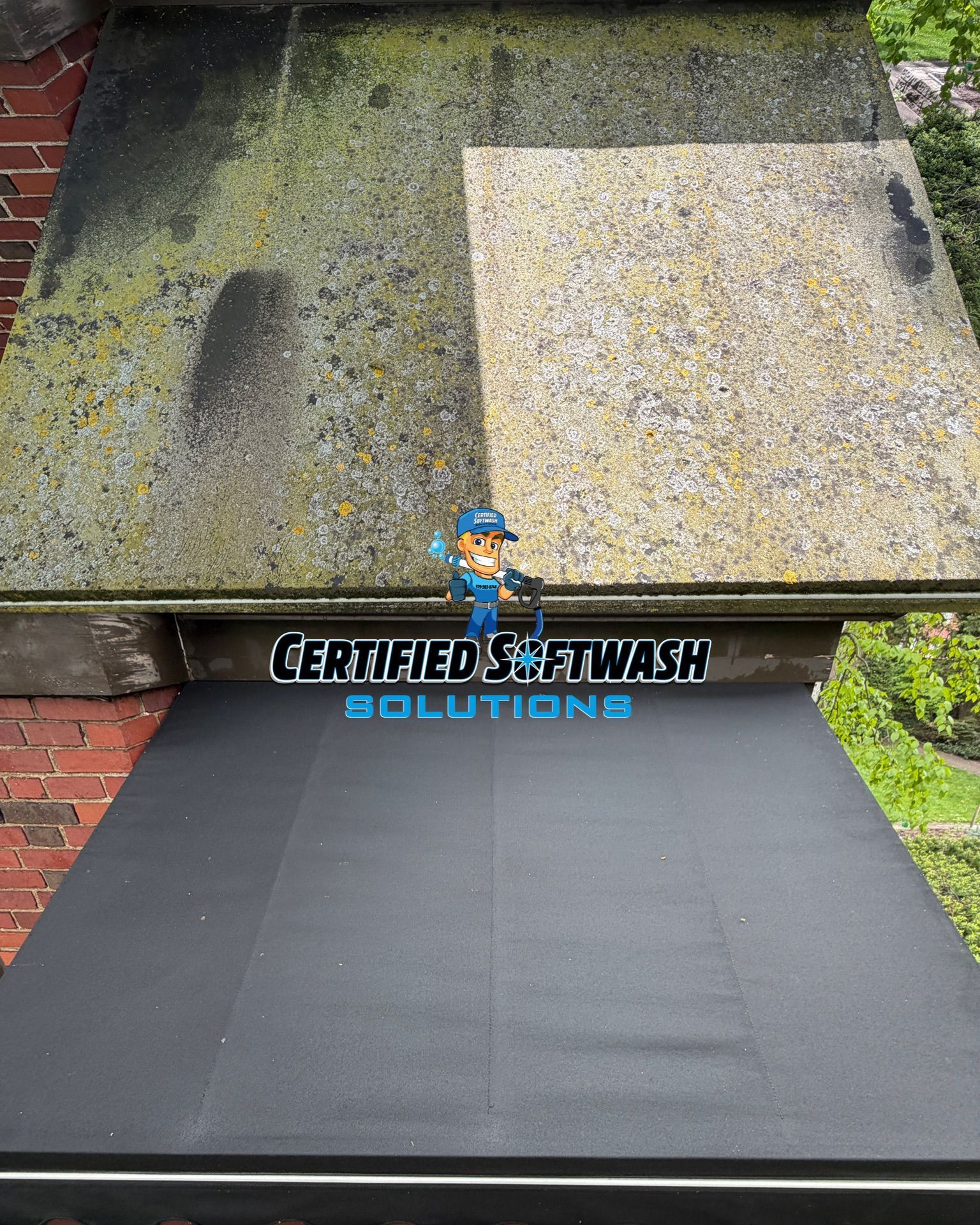
Do not pressure wash asphalt shingles. High-pressure water can damage the roofing surface and dislodge protective granules.
The Asphalt Roofing Manufacturers Association advises against power washing asphalt roofing and recommends following the shingle manufacturer’s cleaning guidance. Dark streaks do not establish the roof’s condition by themselves.
Vinyl and Polymer Siding
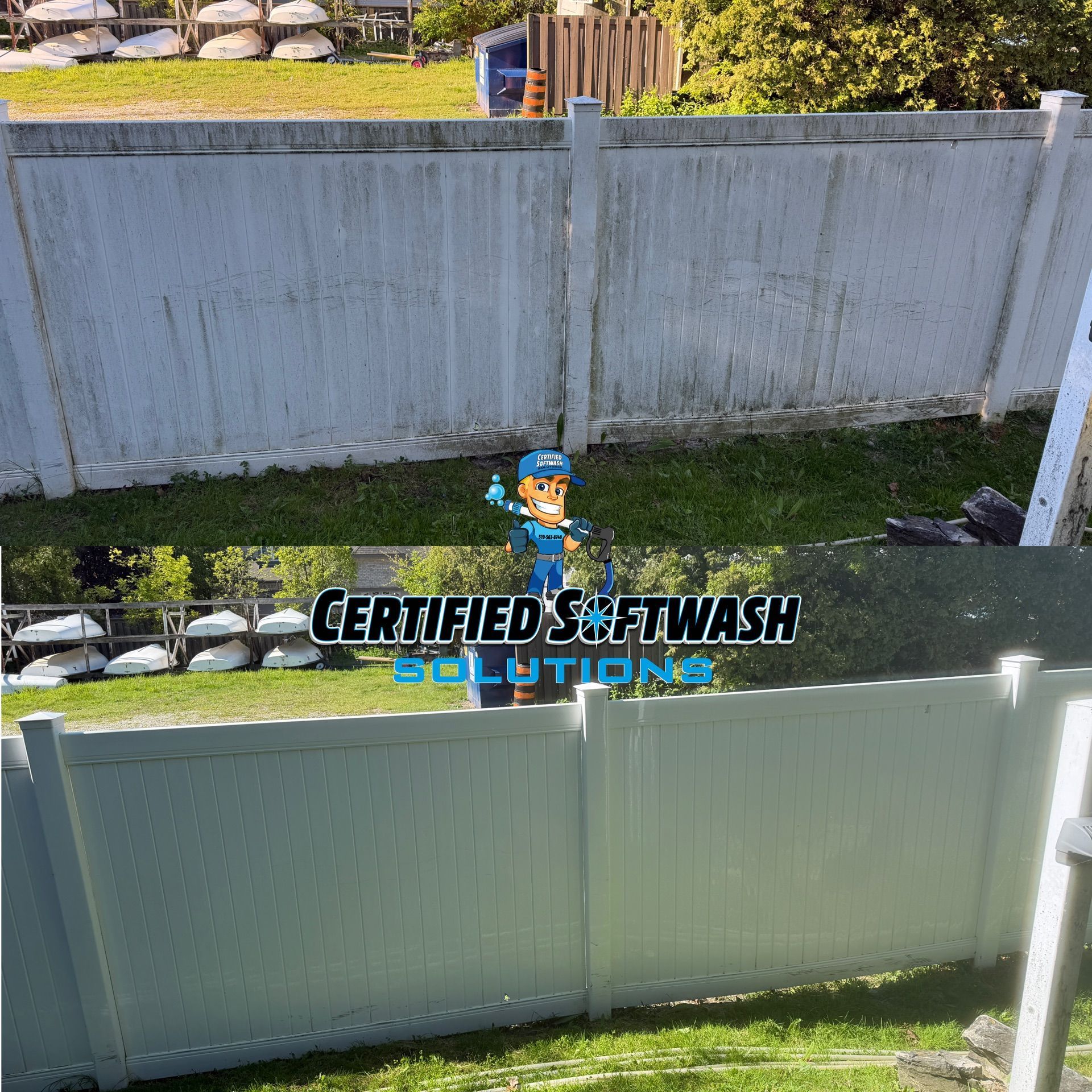
Manufacturer instructions should always guide siding cleaning.
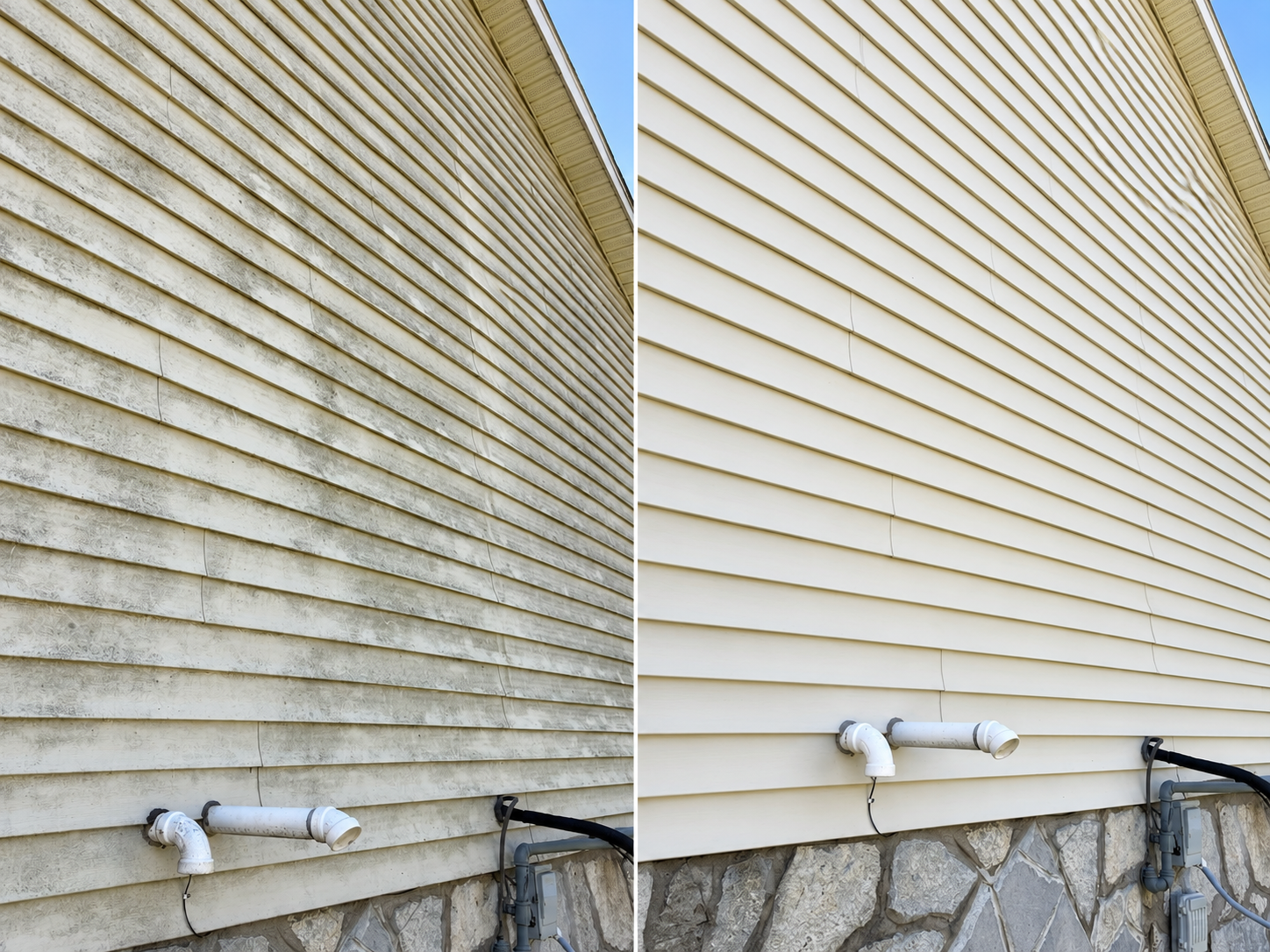
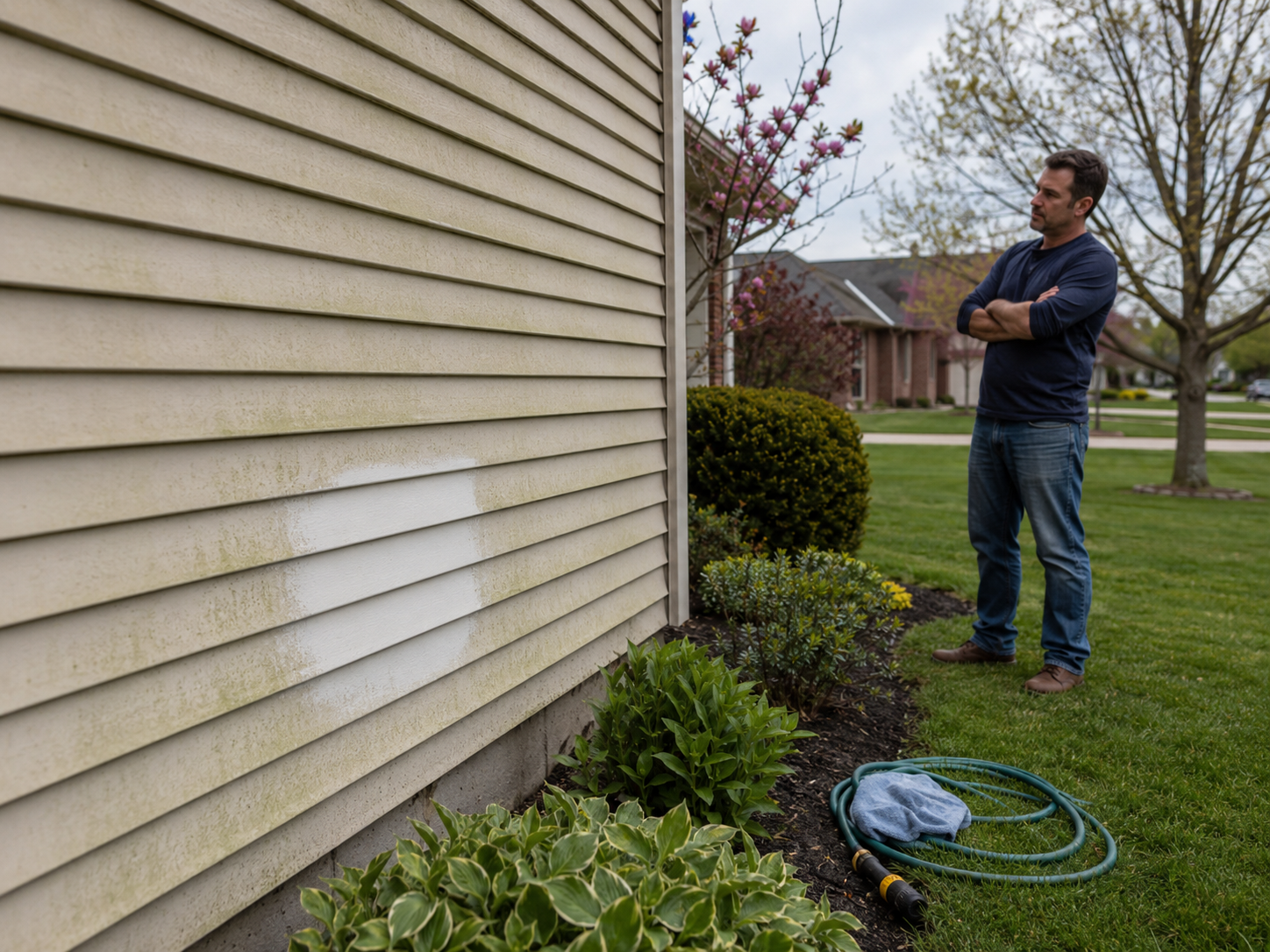
PEPA's siding guidance explains that some manufacturers permit power washing with restrictions, while others do not recommend it. CertainTeed, for example, advises against power washing vinyl or polymer siding. Excessive pressure or an upward-directed spray can force water behind panels. Windows, doors and other openings also need care. Gentle cleaning may be sufficient for ordinary dirt, while stubborn staining requires an appropriate product and application.
Brick, Stone and Older Masonry
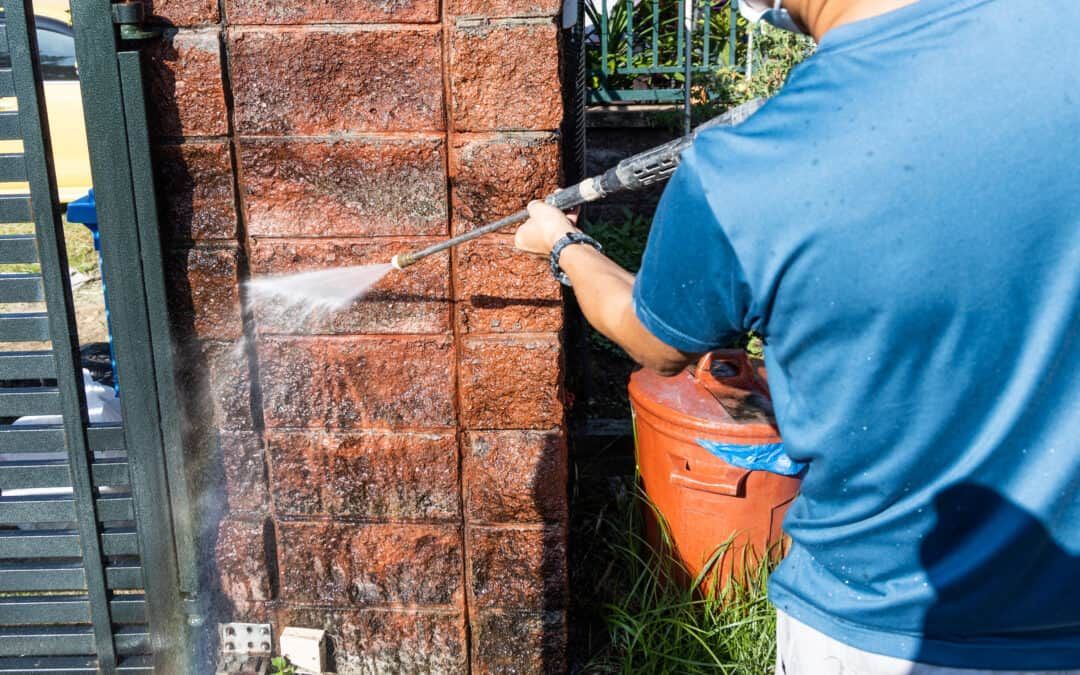
Brick and stone should not automatically be treated as high-pressure surfaces. The type of masonry, its condition and the mortar joints all influence the cleaning method. Loose mortar or deteriorating material may need repairs before washing. Older masonry deserves particular care because aggressive cleaning can damage the surface or dislodge vulnerable joints.
Wood and Composite Decking
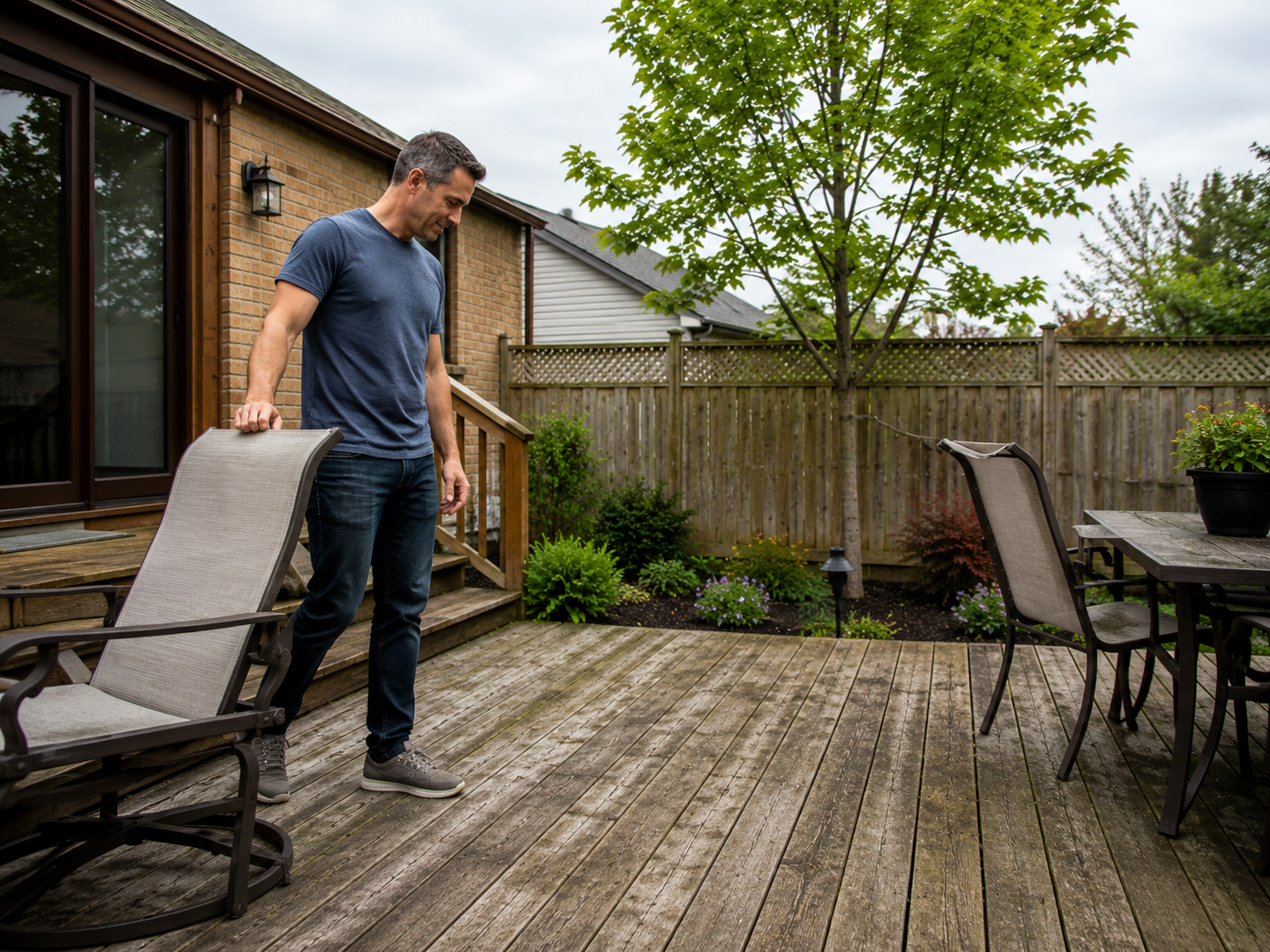
Wood and composite decking require different decisions. Wood condition and existing finishes affect how cleaning should be approached. Composite products also vary. Sometimes, care guidance permits controlled pressure washing for certain product lines but advises against it for early-generation decking. Instructions for one product should not be applied to every composite deck..
Stucco, Paint, Windows and Exterior Openings
Cracks, loose paint, damaged seals and ventilated openings need assessment before cleaning. Strong spray directed at vulnerable areas can remove finishes or introduce water where it should not go. Cleaning does not repair these defects. Some surfaces need maintenance or repair before washing can proceed.
Where Softwashing Fits
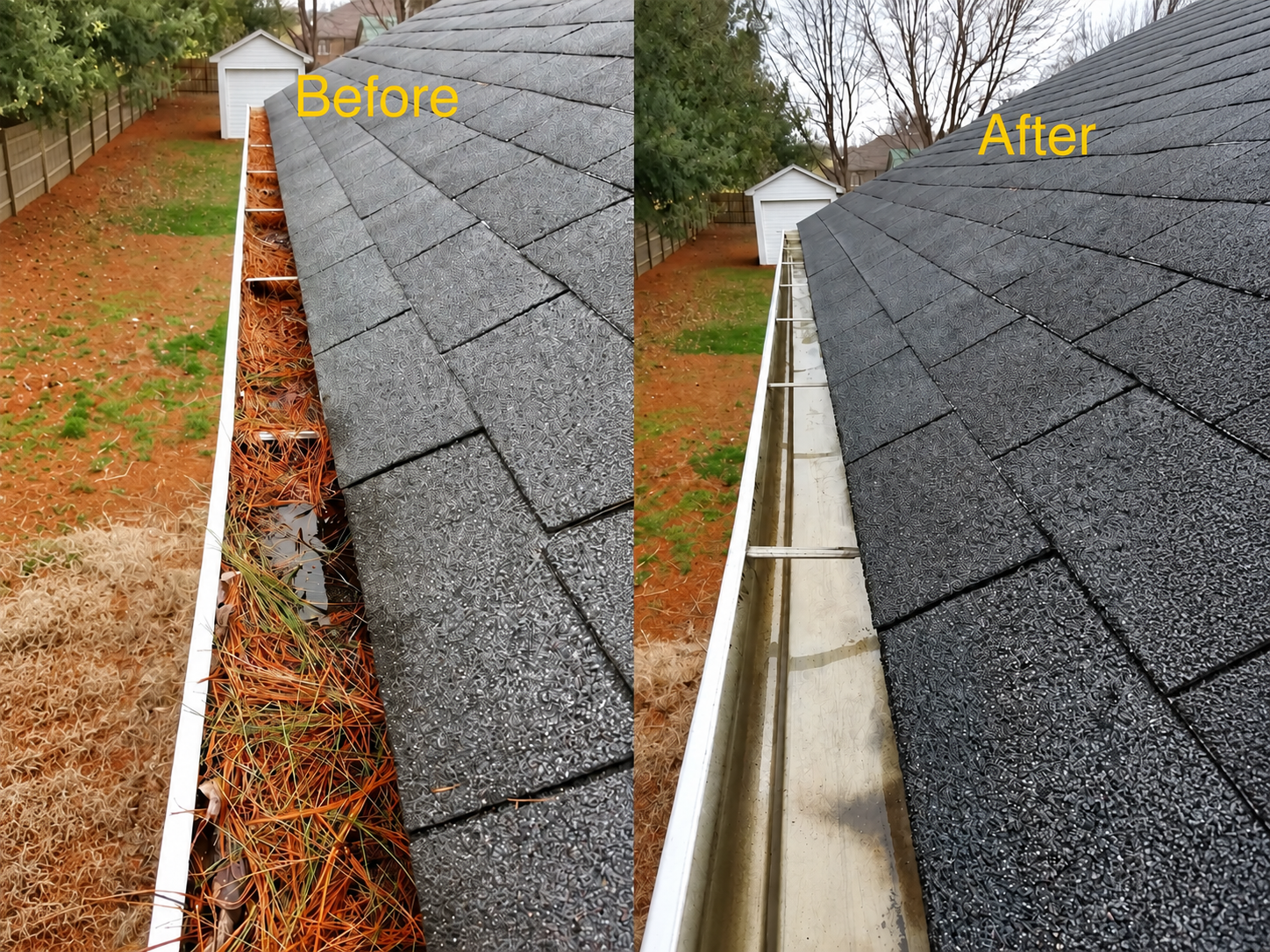
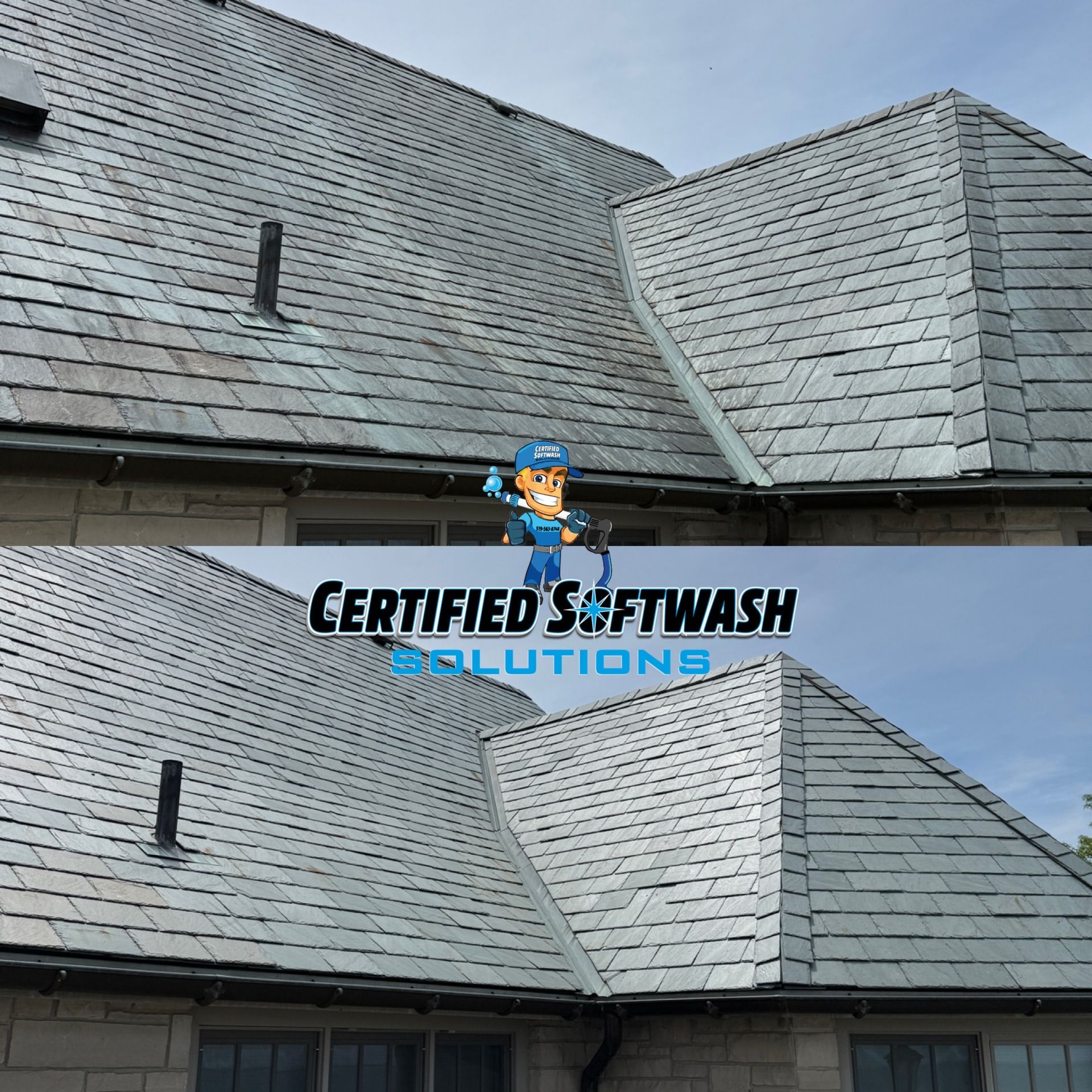
Softwashing uses cleaning solutions and low-pressure application to address suitable exterior buildup. It can be an appropriate option for many house-washing projects when the products and application match the surface. Low pressure alone does not make every treatment suitable. Cleaner compatibility, concentration, application, rinsing and protection of surrounding materials still matter.
Softwashing also does not guarantee permanent freedom from staining. Exposure and moisture conditions influence future buildup, and cleaning cannot reverse deterioration or repair damaged materials.
What to Check Before Exterior Cleaning
Before selecting a method:
- Identify the surface material and any paint, stain or sealer.
- Check the manufacturer’s cleaning instructions.
- Look for loose panels, cracks, flaking surfaces or deteriorated mortar.
- Consider windows, doors, vents, fixtures and nearby landscaping.
- Identify the buildup and set realistic expectations for removal.
For Windsor-Essex homeowners reviewing their property in autumn, this inspection is a useful opportunity to distinguish cleaning needs from repairs. Photograph questionable areas and have them assessed before arranging work. The same material-specific approach applies to commercial properties and even vehicle fleet washing where finishes and sensitive components require their own cleaning decisions.
Get the Right Cleaning Approach for Your Property
Certified Softwash Solutions serves Windsor and Essex County with exterior cleaning suited to the surfaces being treated.
If you are unsure whether your siding, driveway, deck or another exterior surface needs pressure washing or a gentler approach, request an exterior cleaning estimate or call (519) 563-8748.
Download our pdf guide to keep handy when thinking about washing your home: http://snapme.ai/softwashing_surfaces_guide