DIY vs. Professional Exterior Cleaning: What’s Worth It?
Cleaning your home’s exterior can seem straightforward: rent a pressure washer, choose a cleaning solution, and set aside an afternoon. For a small maintenance task, that may be reasonable. However, larger projects involve more than removing visible dirt—especially when ladders, delicate siding, organic growth, or chemical treatments are involved.
For Windsor-Essex homeowners, deciding between DIY cleaning and professional service should come down to the surface, project scale, safety requirements, and quality of result—not simply the upfront price.
What Exterior Cleaning Can Homeowners Handle?
Not every outdoor cleaning task requires professional equipment. Many homeowners can safely manage light maintenance at ground level, provided they understand the material they are cleaning.
Reasonable DIY tasks may include:
- Rinsing loose dirt or pollen from accessible surfaces
- Removing cobwebs around doors and porch lights
- Wiping down outdoor furniture
- Cleaning a small, recent stain with an appropriate product
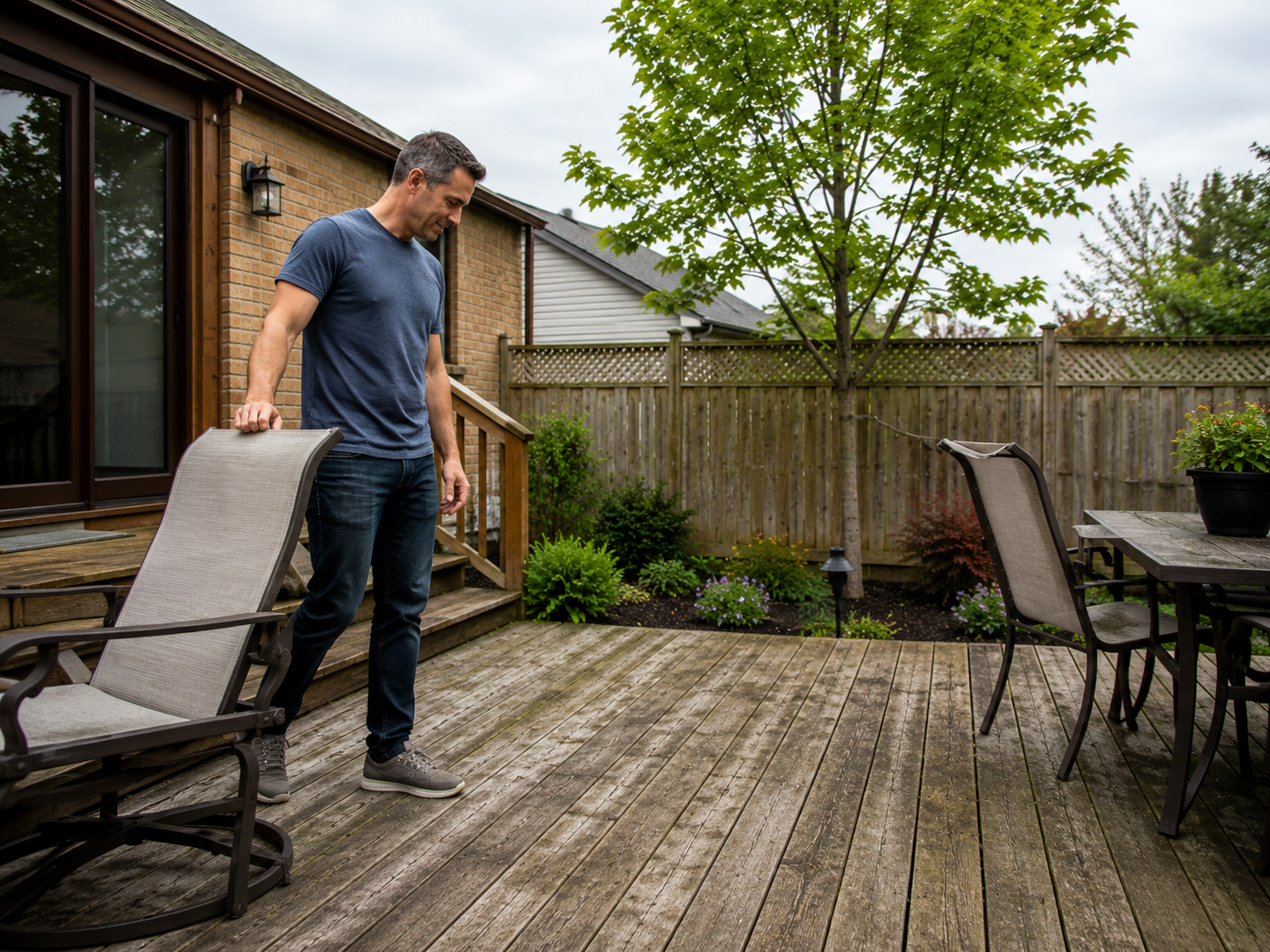
- Sweeping patios, walkways, and decks
- Washing reachable windows with basic tools
The key is keeping the work limited and controlled. If a task requires climbing, mixing unfamiliar chemicals, adjusting high-pressure equipment, or reaching behind landscaping and fixtures, the risks and complexity begin to increase.
Understanding DIY Pressure Washing vs. Professional Cleaning
The difference between DIY pressure washing vs professional cleaning is not only the strength of the equipment. A trained exterior cleaner evaluates the surface, contaminant, age, condition, drainage, and surrounding property before choosing a method.
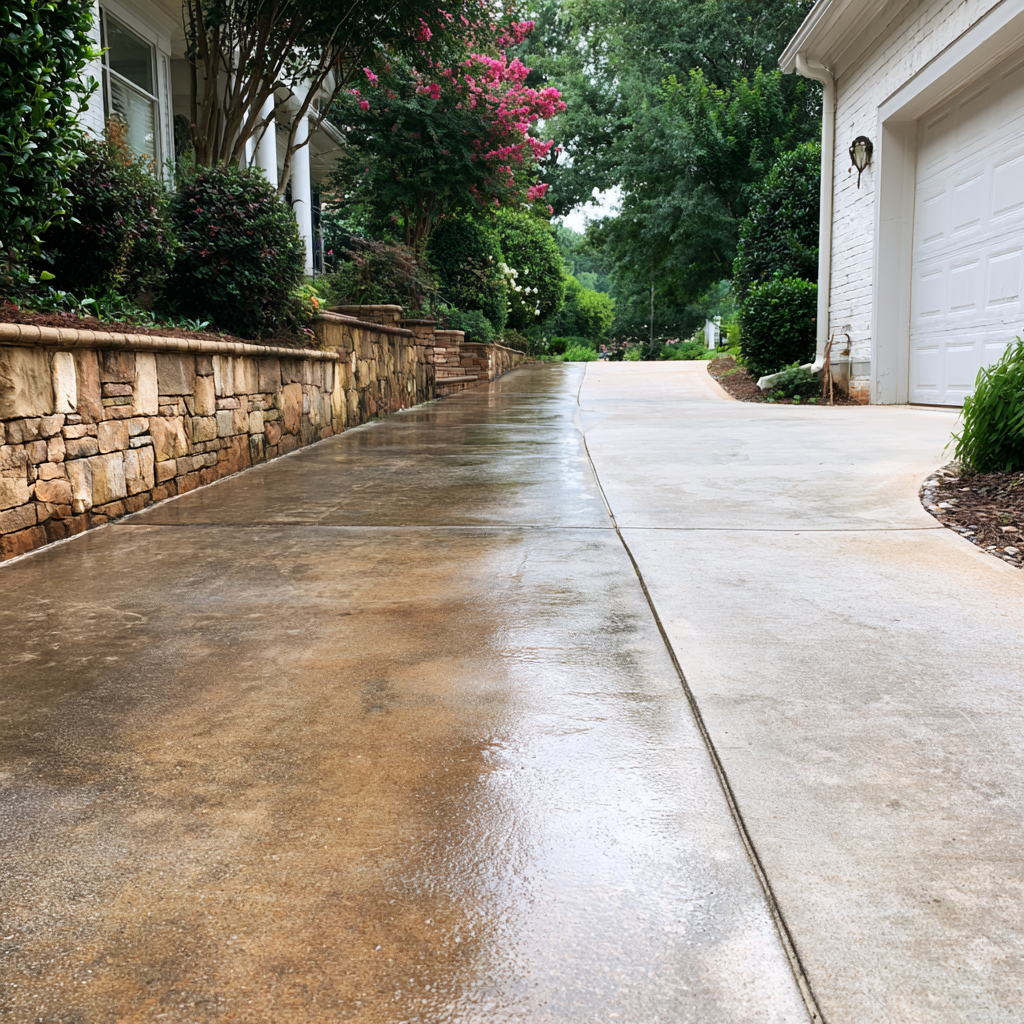
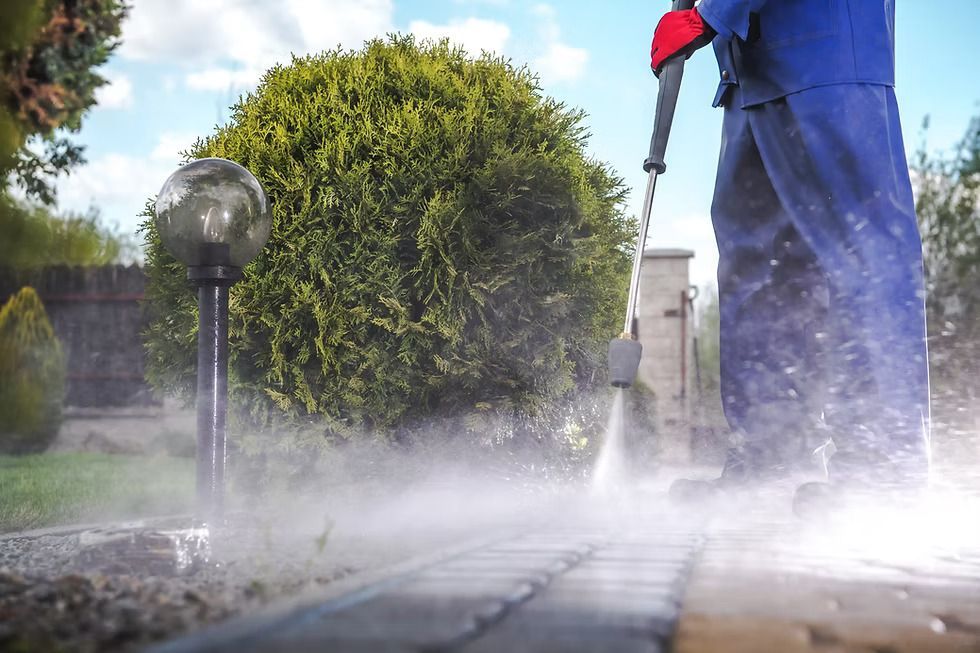
A rented pressure washer may remove surface dirt, but improper use can leave wand marks in concrete, damage wood fibres, disturb paint, force water behind siding, or harm seals around windows and doors. Holding the nozzle too close can cause damage quickly, while standing too far away may produce patchy results.
Professional cleaning may involve controlled pressure, softwashing, specialized application equipment, or a combination of methods. The goal is to match the process to the material rather than treating every surface with the same level of force.
The Surface Should Determine the Method
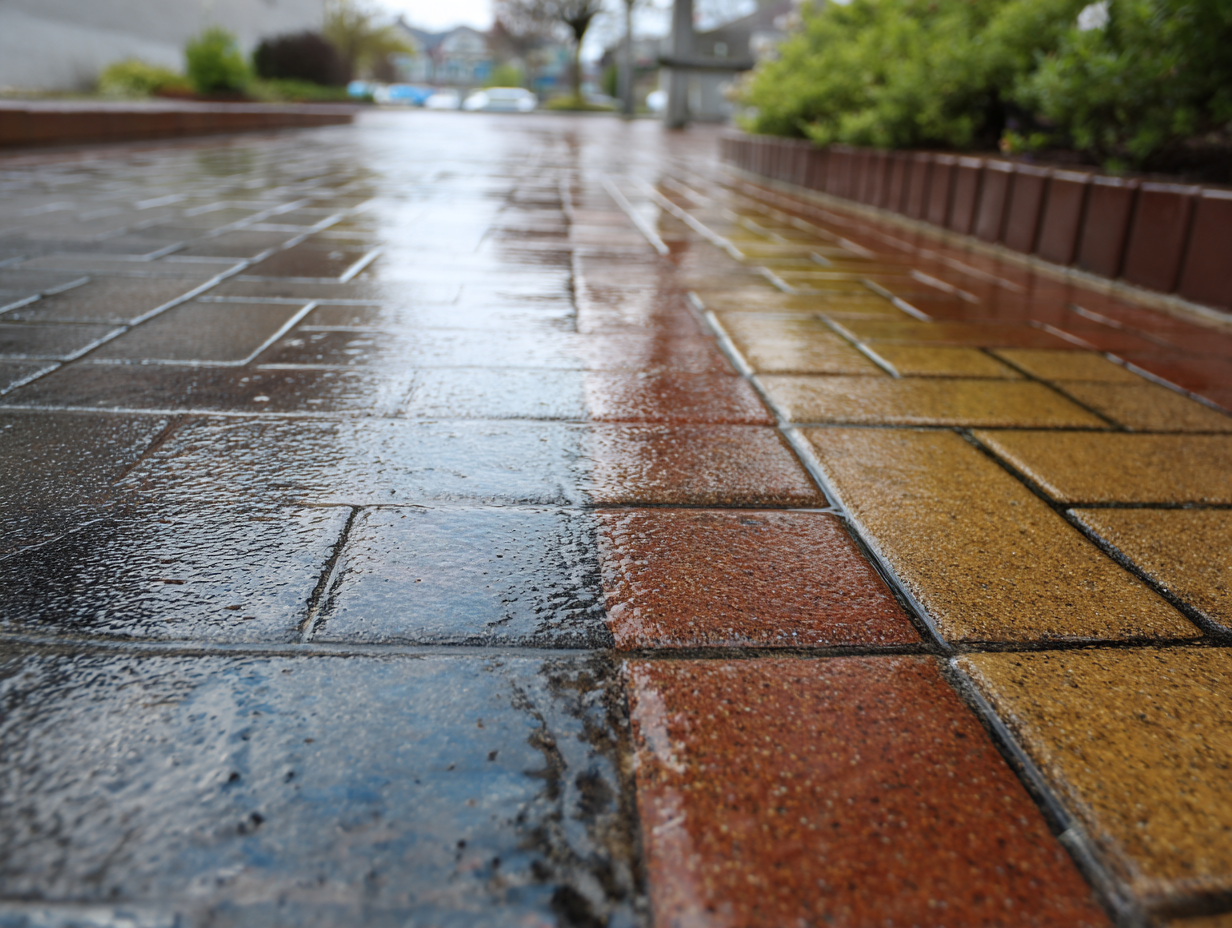
Concrete, vinyl siding, asphalt shingles, wood, brick, and stucco respond differently to water pressure and cleaning products. Even two homes with similar exteriors may require different approaches based on age, oxidation, previous repairs, and the type of buildup present.
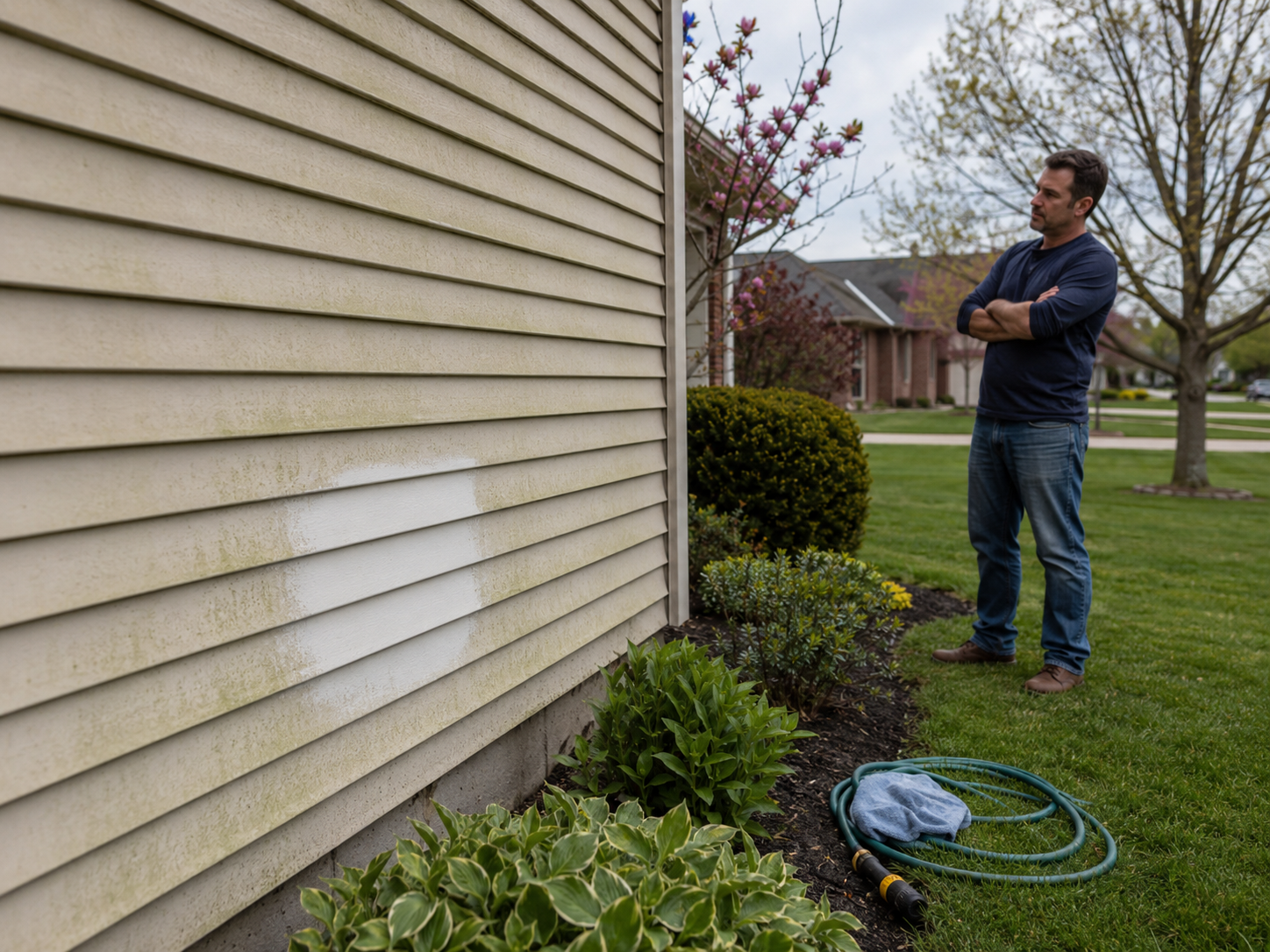
Vinyl siding often benefits from a low-pressure process that treats organic growth without unnecessary force. Durable concrete may tolerate controlled pressure, but technique still matters if the surface is older, cracked, coated, or previously repaired.
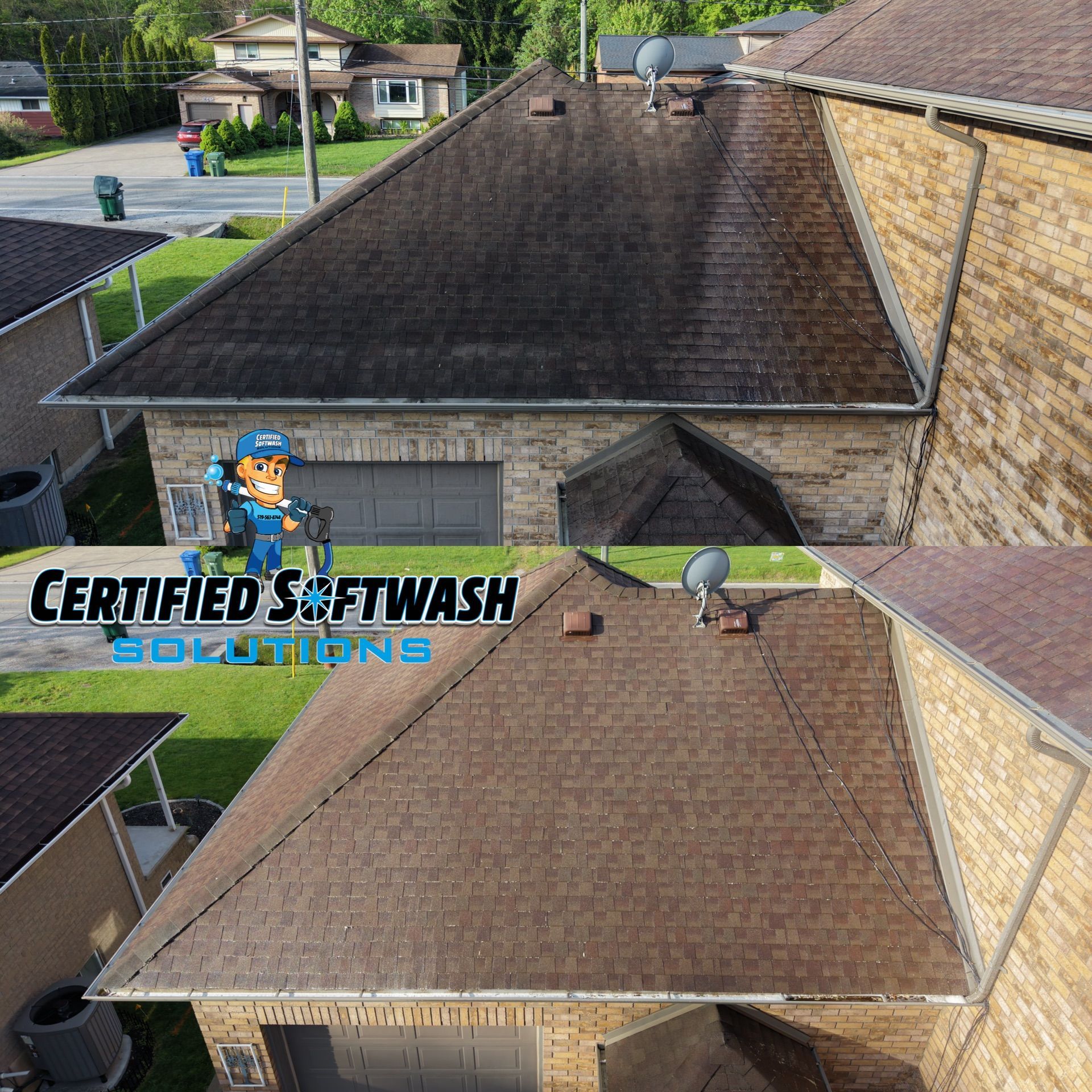
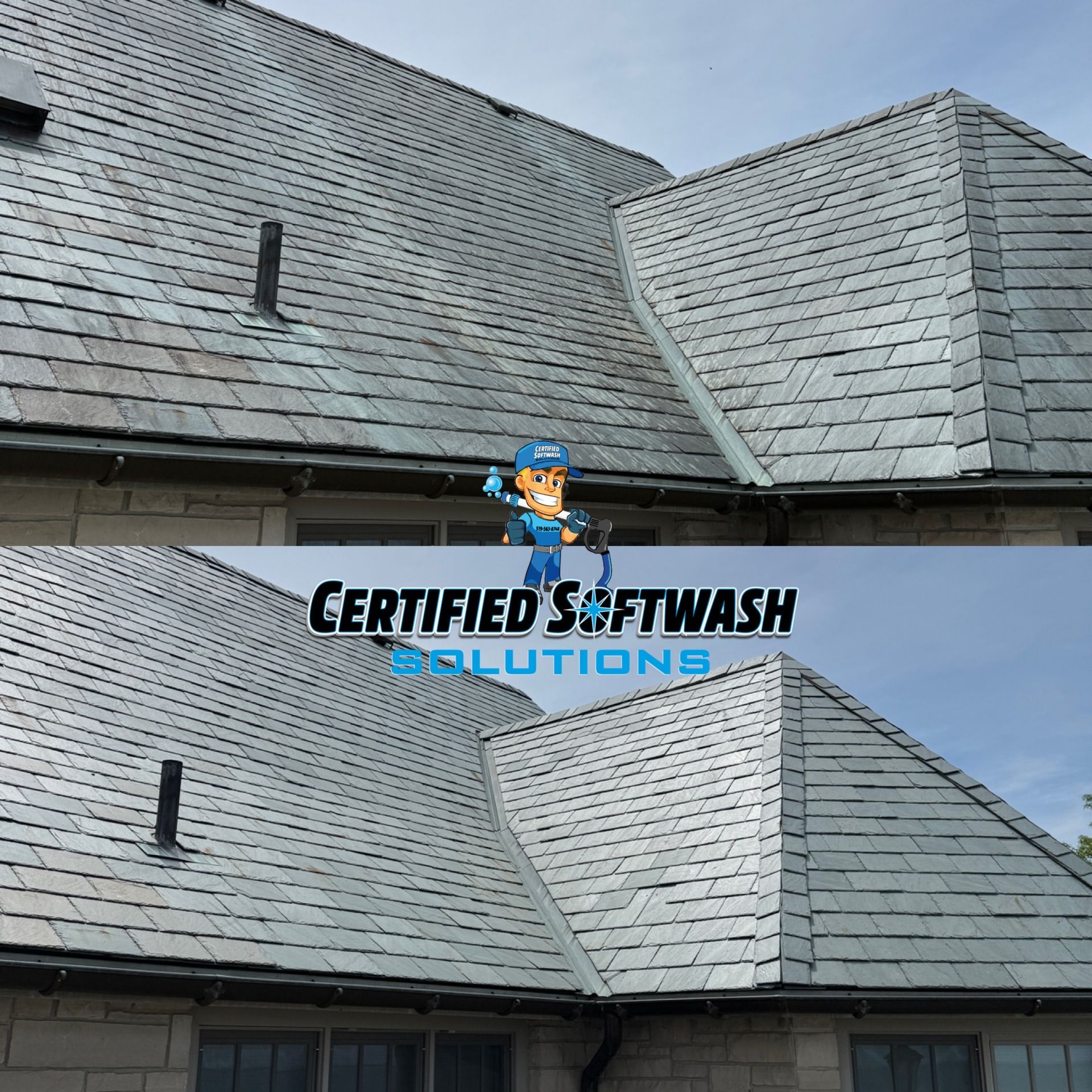
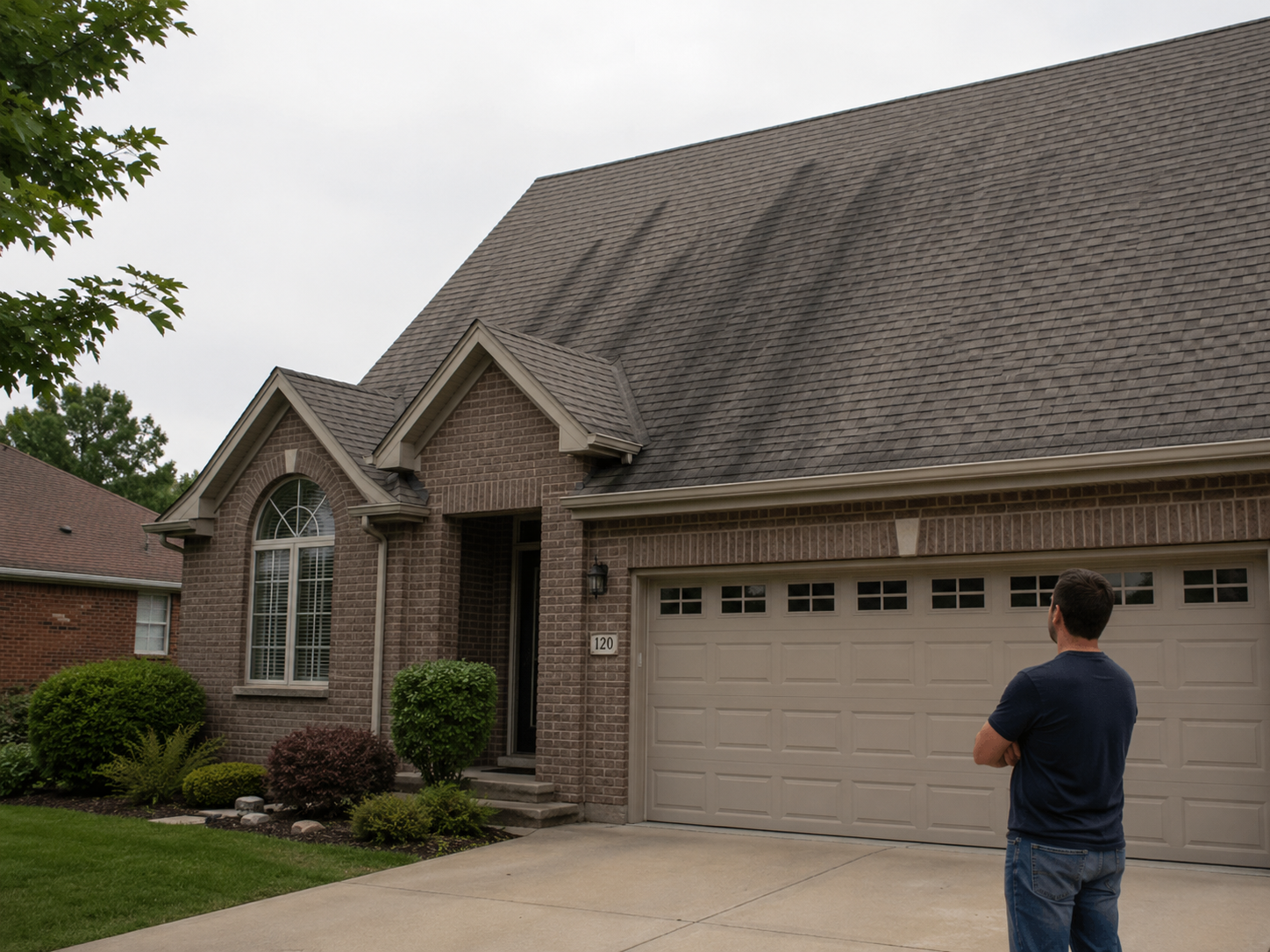
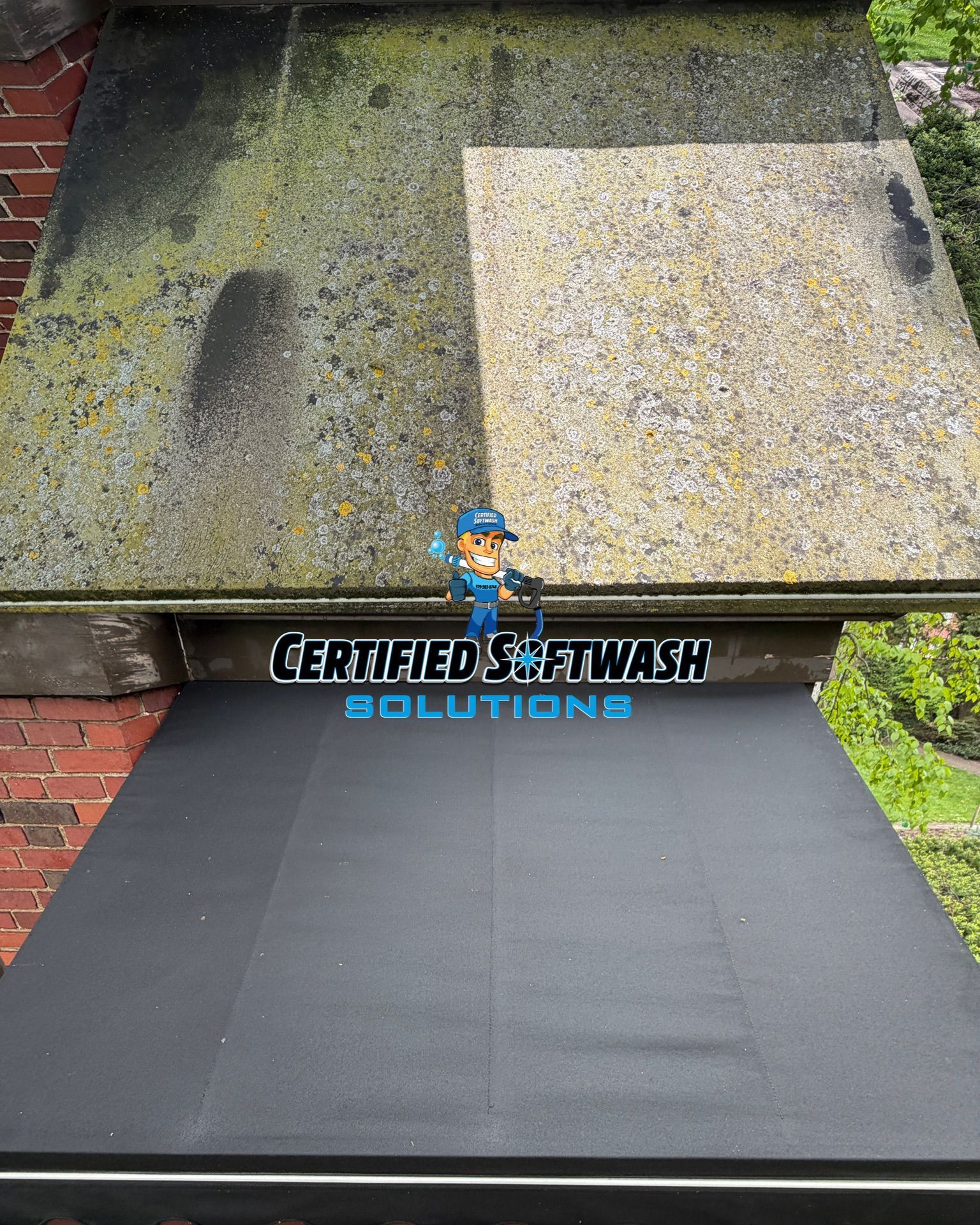
Roof cleaning requires particular caution. Walking on a roof introduces fall risks and may damage shingles. Aggressive pressure can also affect roofing materials. Cleaning cannot repair leaks, missing shingles, structural problems, or failing components; those issues need to be handled by the appropriate contractor.
Equipment Rental Is Only Part of the DIY Cost
The initial rental rate does not represent the full cost of an exterior-cleaning project. Homeowners may also need cleaning products, hoses, protective clothing, extension tools, surface attachments, fuel, transportation, and several hours of labour. There is also the cost of correcting uneven results or accidental damage. A project that appears inexpensive can become costly if water enters behind siding, landscaping is affected, or a painted or oxidized surface reacts unexpectedly.
When comparing exterior cleaning cost vs value, consider more than the invoice. Professional service can provide better equipment, surface-specific knowledge, property preparation, a more consistent finish, and less personal time spent managing the work.
DIY may still offer good value for a small, accessible task. Professional cleaning becomes more practical as the size, height, contamination, and variety of materials increase.
Chemical Handling and Property Protection Matter
Effective exterior cleaning sometimes requires more than water. The product, concentration, dwell time, and rinsing process must suit the contaminant and surface being treated.
Homeowners also need to consider gardens, lawns, pets, outdoor furniture, electrical fixtures, painted features, and neighboring property. Applying too much product, or allowing it to dry where it should not, can create unnecessary risks. Professional preparation may include moving vulnerable items, protecting sensitive areas, managing runoff, testing surfaces, and rinsing nearby vegetation. These steps are not always the most visible part of the job, but they contribute significantly to a safe and reliable result.
When Should You Call a Professional?
Professional exterior cleaning is generally worth considering when:
- The project involves a roof, ladder, or hard-to-reach area.
- Organic growth covers a large portion of the exterior.
- The home has delicate, painted, aged, or oxidized materials.
- Several surfaces require different cleaning methods.
- You are unsure which pressure setting or solution is appropriate.
- You want an even result before selling, painting, or completing renovations.
Homeowners seeking softwashing services in Windsor should look for a provider that evaluates the property before recommending a process. Softwashing can be well suited to many exterior materials, but no single technique is appropriate for every surface or condition.
Choose Based on Risk, Scale, and Desired Results
Light ground-level maintenance can be a manageable DIY project. Larger exterior-cleaning jobs require more planning, knowledge, and safety awareness than they may initially appear to.
Certified Softwash Solutions assesses each property and chooses methods based on the surface, condition, and type of buildup. Serving Windsor-Essex communities, the team provides residential exterior cleaning focused on safe methods and consistent results. If you are unsure whether to handle a project yourself or bring in a professional, contact Certified Softwash Solutions to request an assessment.