Why Algae Returns: Shade, Moisture and Organic Buildup on Windsor-Essex Homes
Algae can return after exterior cleaning because the conditions that encouraged it, especially lingering moisture, shade and accumulated debris may still be present. Cleaning addresses existing buildup, but your home remains exposed to the outdoors. Keeping it looking cleaner involves both suitable washing and attention to what happens between cleanings.
This means looking beyond the stain itself. If one wall repeatedly turns green while the others stay relatively clean, the difference may be how that area dries, drains or collects debris. Understanding that pattern helps you plan useful maintenance and get more value from professional exterior cleaning.
Why the Same Areas Keep Turning Green
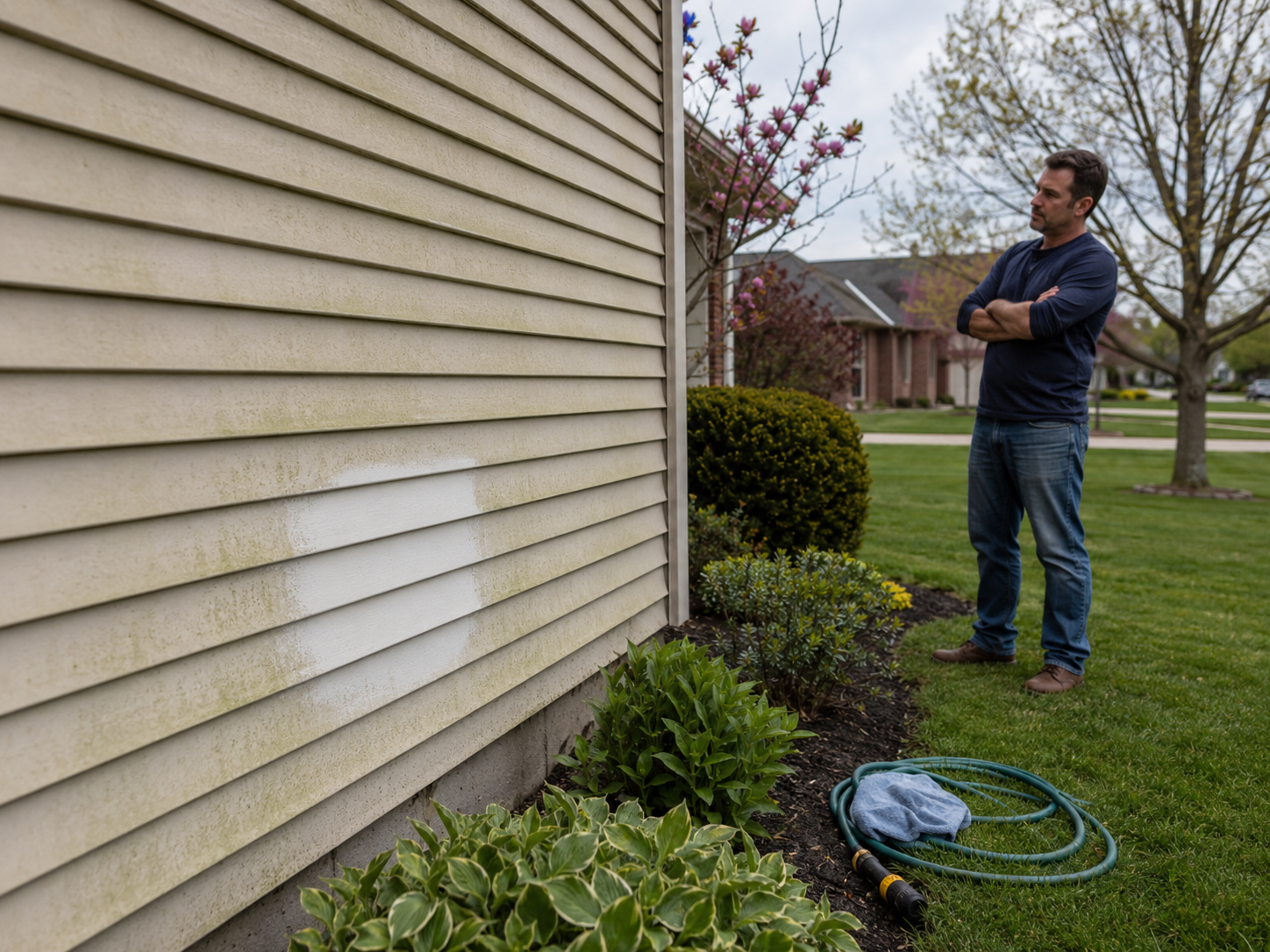
Different parts of a house experience different conditions. A wall shaded by a neighbouring building may receive little direct sunlight. Siding behind dense shrubs may stay sheltered and damp. An overflowing gutter may repeatedly wet the same section below it.
CertainTeed notes that sheltered areas with limited sunlight can develop mildew, and that even mildew-resistant vinyl siding can support growth on a dirty surface coating. This helps explain why buildup can reappear in particular locations without affecting the entire exterior equally.
Look for patterns rather than assuming every recurring mark has the same cause. If you are unsure what you are seeing, our guide to algae, mould and other exterior stains explains the assessment and cleaning considerations.
Cleaning Does Not Permanently Change the Surroundings
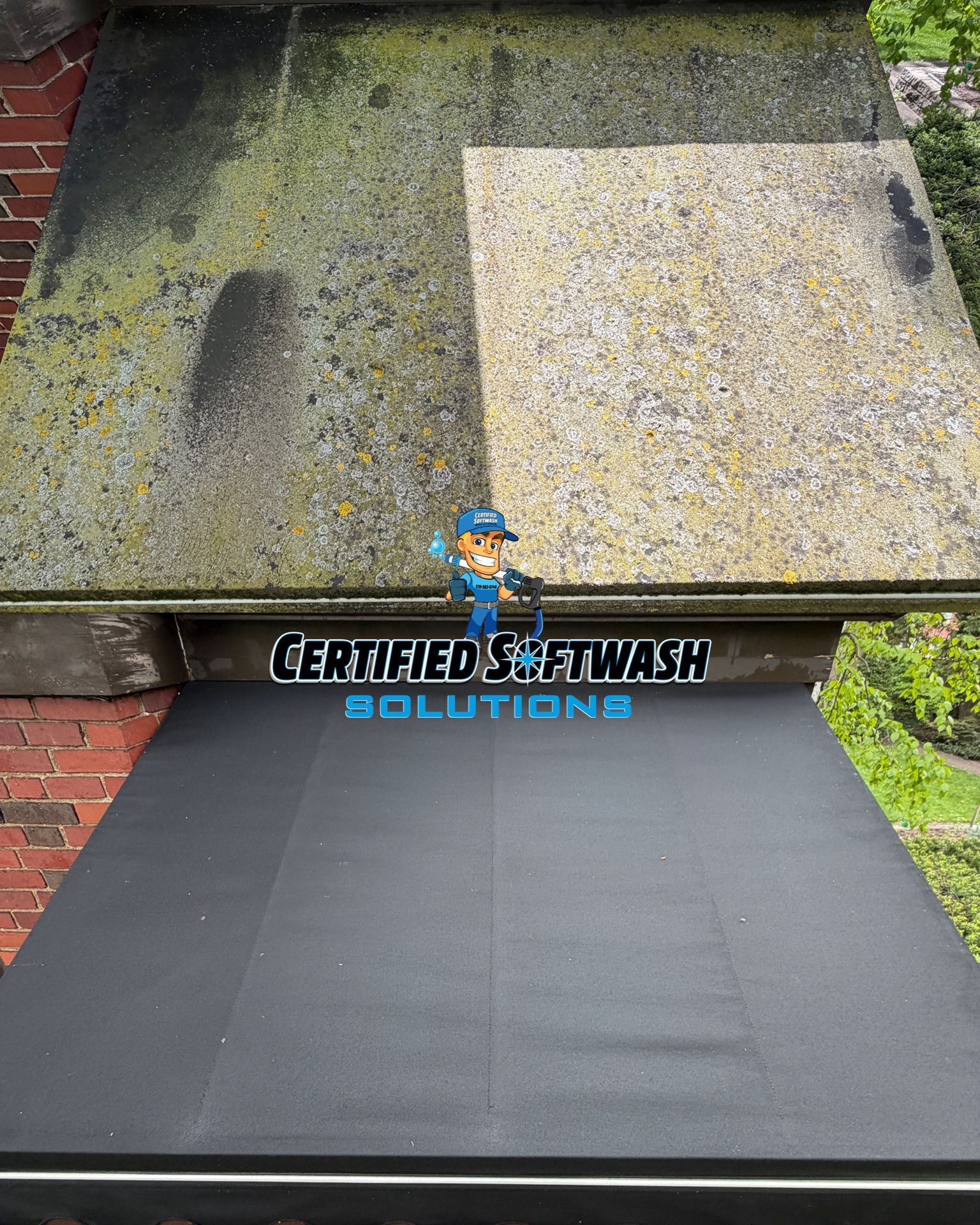
A professional wash can make a substantial difference to your home’s appearance. However, it does not remove shade from a neighbouring house, stop rain or prevent fresh material from reaching exterior surfaces.
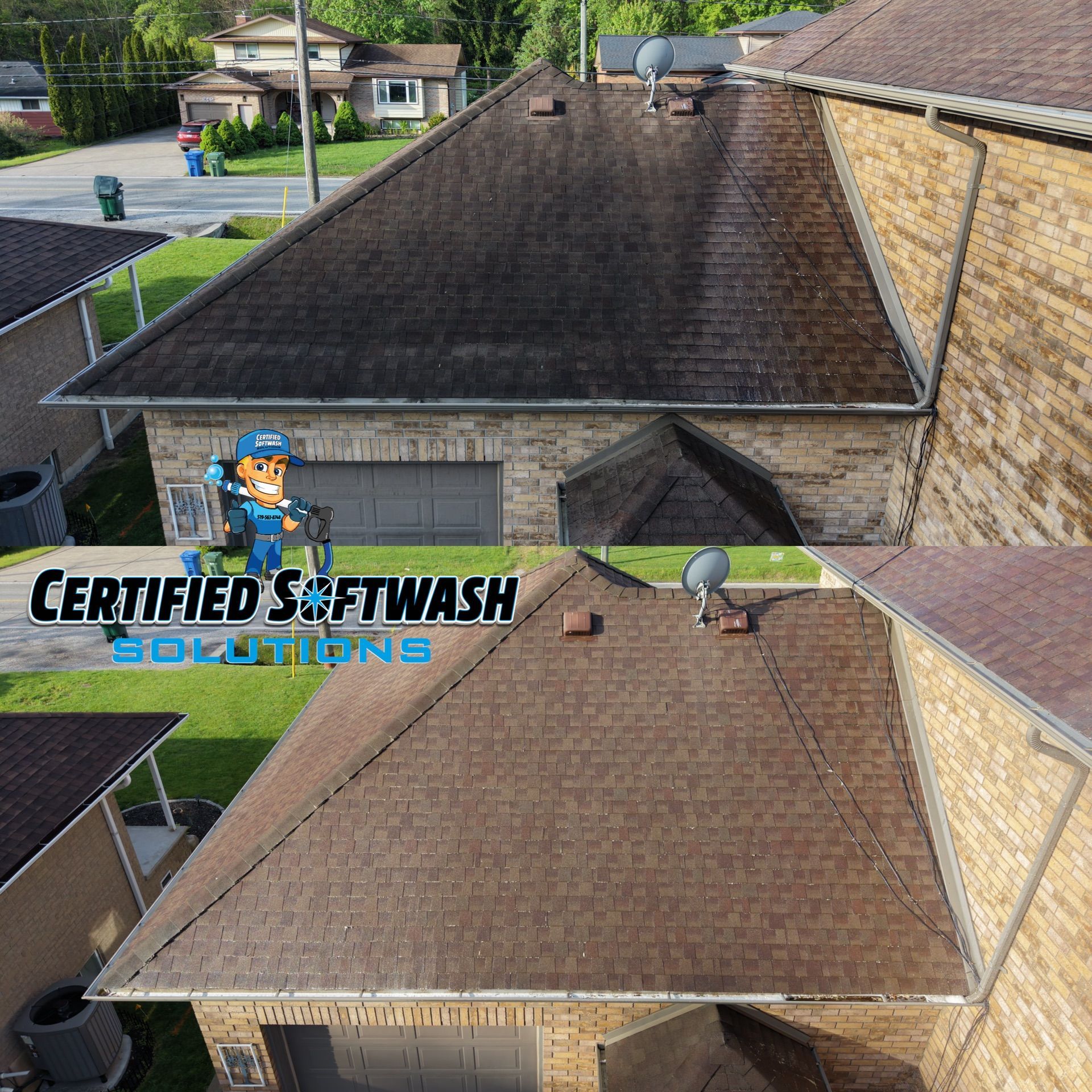
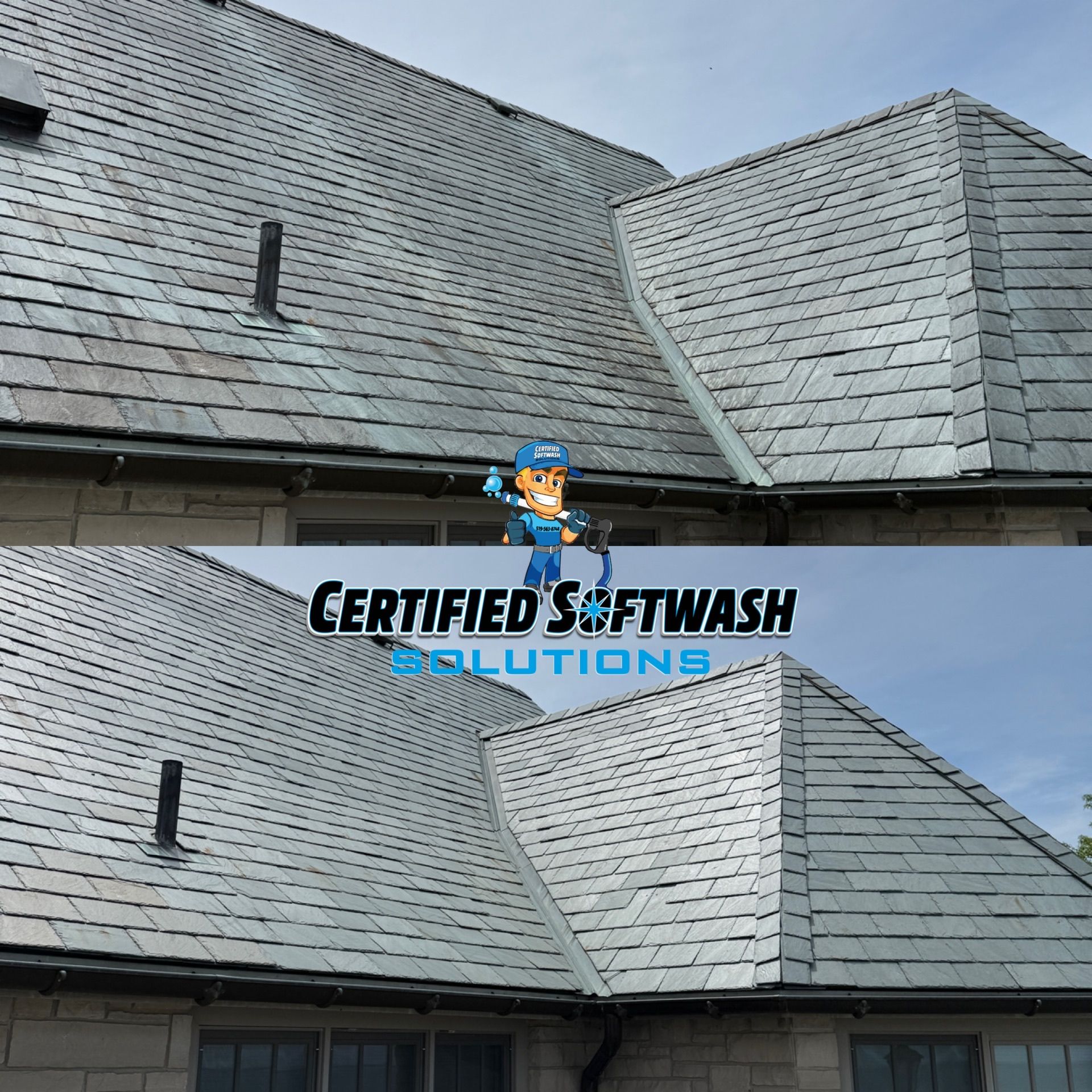
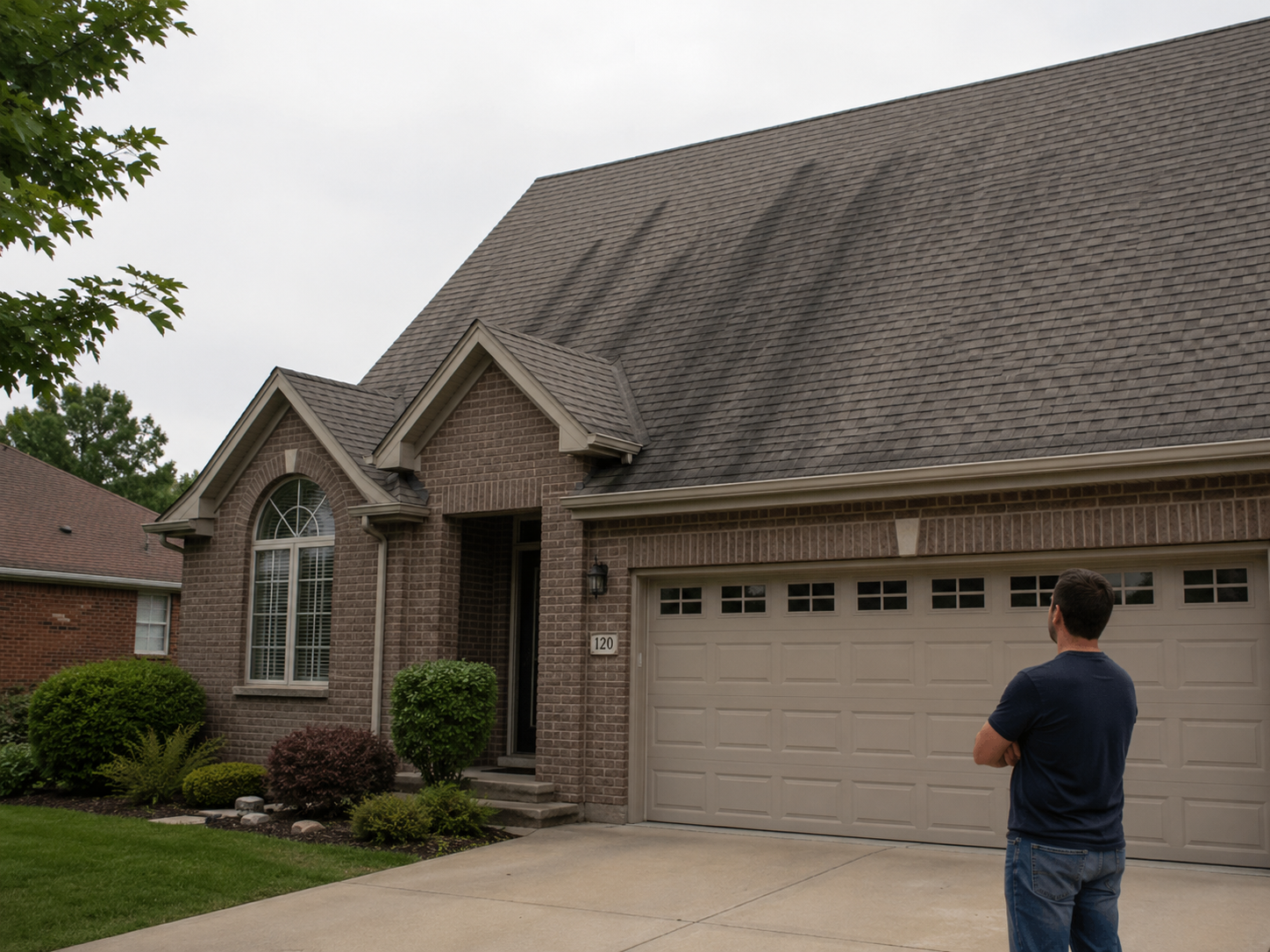
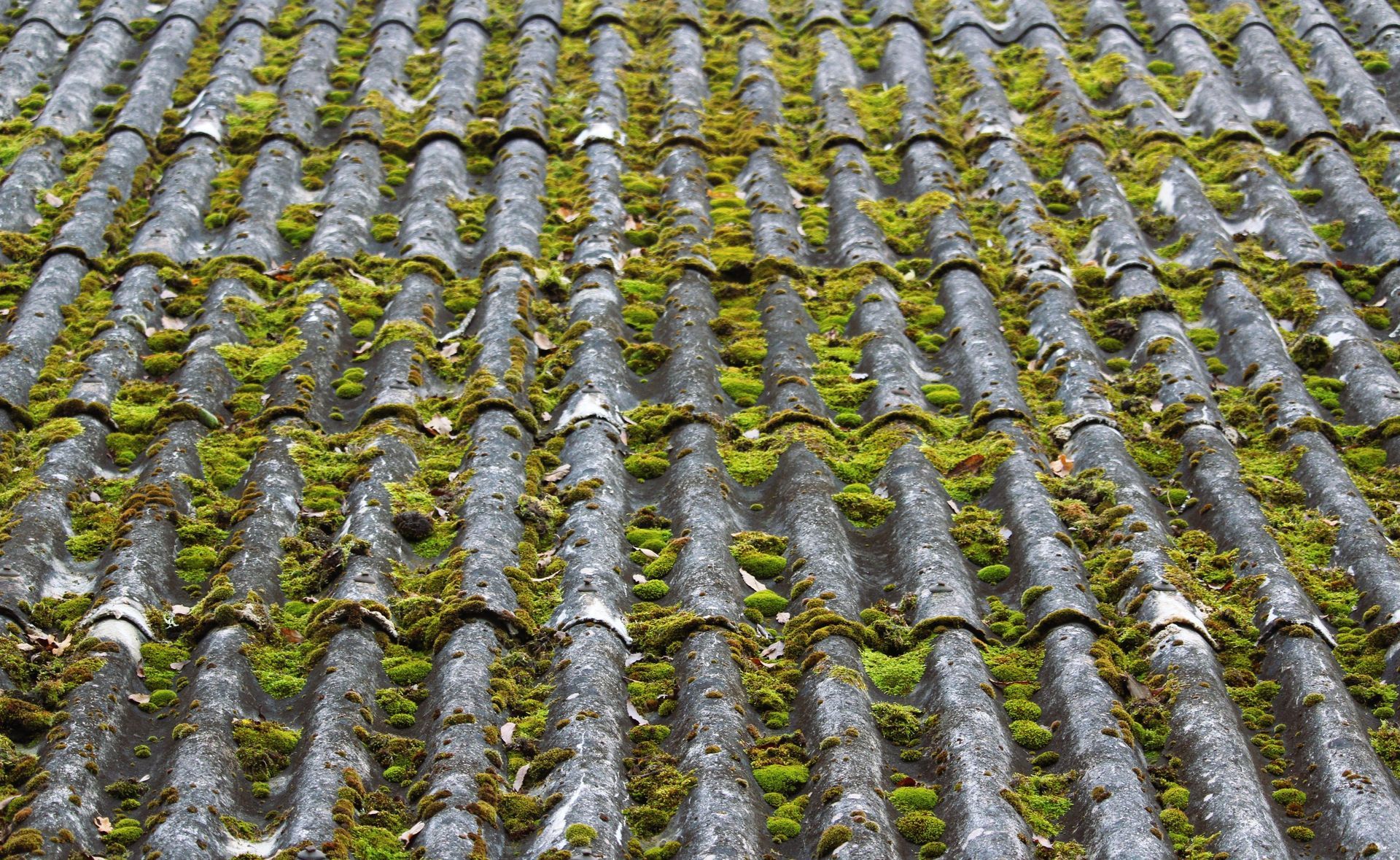
Roof algae provides a clear example. The Asphalt Roofing Manufacturers Association explains that algae can travel through the air, collect on outdoor surfaces and cause discoloration. Its guidance also acknowledges that discoloration may recur after cleaning.
The practical takeaway is to treat exterior cleaning as part of property care. A clean surface gives you a useful starting point; watching where buildup returns helps identify which areas deserve more attention.
Five Ways to Reduce Conditions That Encourage Buildup
You cannot control every exposure around your home, but several maintenance steps are worthwhile:
- Keep vegetation back from siding. Trim shrubs and small branches that touch or crowd exterior walls. Maintain access so the siding can be inspected and cared for. Have an appropriate professional handle large or difficult branches.
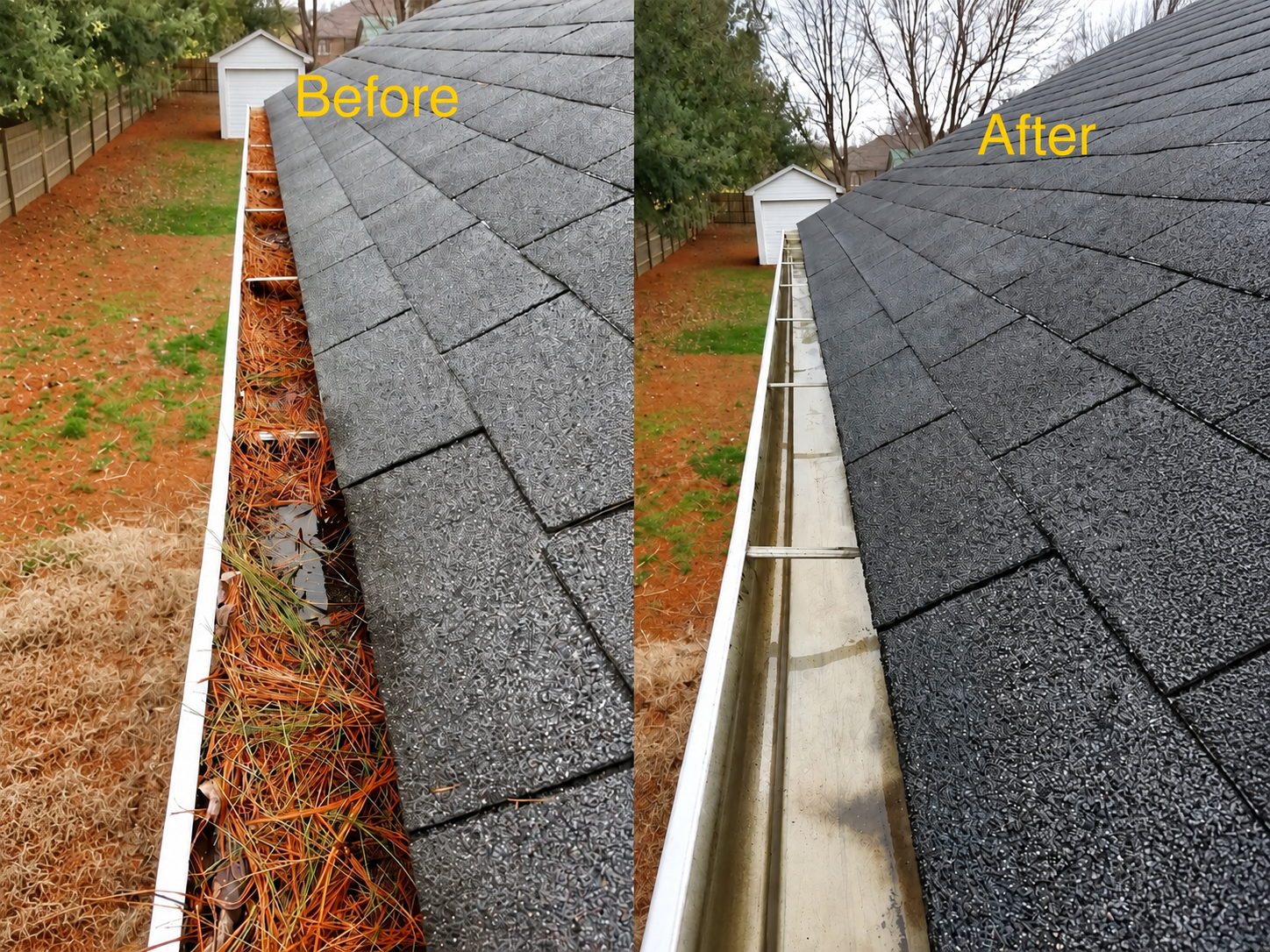
- Check gutters and downspouts. Watch from the ground for overflow, disconnected outlets or water repeatedly running down the wall. Removing blockages can help drainage, while leaking joints or damaged components may need repairs.
- Adjust irrigation that wets the house. Sprinklers should water the intended landscaping rather than repeatedly spraying siding. Check their direction when the system is operating.
- Manage accumulating leaves and debris. Keep accessible areas around the home tidy, and arrange suitable professional care for roof debris. ARMA recommends managing overhanging branches, roof debris and gutter drainage as part of discouraging roof algae and moss.
- Follow the care instructions for your exterior materials. Cleaning products and techniques should suit the siding, coating or roofing involved. Avoid applying a general cleaning recipe to every surface.
James Hardie’s homeowner maintenance guidance similarly recommends keeping vegetation away from siding, maintaining gutters and adjusting sprinklers to avoid excessive wetting of walls.
For a closer look at drainage checks during leaf season, see our fall gutter cleaning guide for Windsor homeowners.
Where Professional Softwashing Adds Value
Reducing repeated wetting and debris accumulation supports ongoing care, but it does not remove established staining by itself.
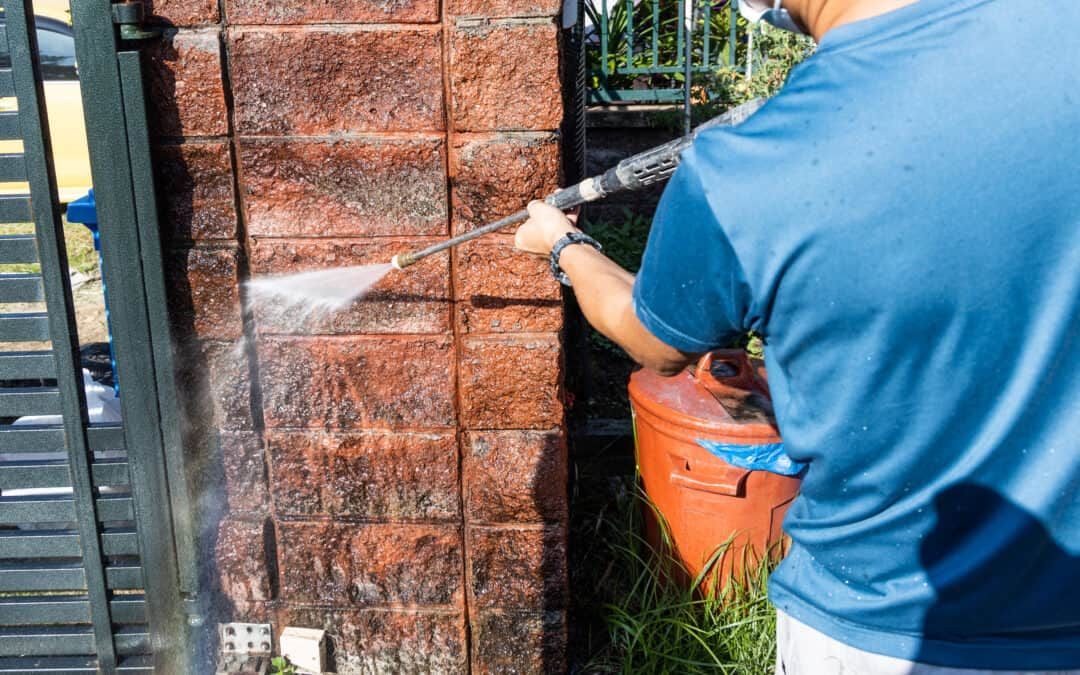
For suitable siding and exterior finishes, professional softwashing uses compatible cleaning solutions and low-pressure application to address organic buildup without relying on aggressive pressure. The material, finish and existing condition should guide the approach. CertainTeed, for example, advises against power washing its vinyl and polymer siding and recommends suitable cleaners for stubborn algae stains.
Certified Softwash Solutions offers professional siding washing in Windsor-Essex. If the same section keeps developing buildup, point it out when requesting an estimate. Explain where it appears, when the area was last cleaned and whether you have noticed overflow or repeated wetting.
That information helps make the service discussion more specific to your property.
What to Do if Staining Returns Soon After Cleaning
Contact the cleaning provider before applying another product or attempting a stronger wash. Share dated photographs and explain whether the mark remained after service or appeared again later.
A remaining stain and newly developing buildup are different situations. A review can help establish whether further cleaning is appropriate or whether a gutter, coating or other exterior component needs attention.
Keep a simple record of the affected area. Photographs taken from the same position make changes easier to compare and give the provider better information than a general description that the house “looks dirty again.”
Build a Maintenance Plan Around Your Home
Start with a ground-level walk around after cleaning. Note the areas that previously showed the heaviest buildup, then check them during routine property maintenance.
In October, fallen leaves and visible gutter overflow are useful things to watch. The aim is to notice changing conditions rather than automatically schedule another complete wash.
Certified Softwash Solutions serves Windsor, Tecumseh, LaSalle, Lakeshore, Amherstburg and Essex. If recurring green buildup is affecting your home’s appearance, request a free exterior cleaning estimate or call (519) 563-8748. Let Frank know which areas concern you so the proposed cleaning can account for your home’s materials and condition.
Frequently Asked Questions
How long does softwashing last?
There is no single reliable timeframe for every home. Exposure, nearby vegetation, moisture, surface material and new buildup all affect how long the exterior looks clean. Ask the provider what results to expect for your property and what any service guarantee specifically covers.
How often should you softwash your house?
Follow your siding manufacturer’s maintenance guidance and assess the actual condition of the exterior. CertainTeed recommends annual cleaning for its siding, but that does not establish an annual professional softwashing requirement for every house. Routine checks can help determine whether a full wash or more limited attention is appropriate.
How can I prevent algae from growing on siding?
Reduce avoidable wetting, keep vegetation away from walls, maintain gutter drainage and clean according to the siding manufacturer’s instructions. These measures support exterior maintenance, but they cannot guarantee that algae will never return. Recurring buildup should be assessed alongside the conditions around the affected area.